
A Builder's Journey: Crafting Eight Unique Minecraft Libraries
Minecraft library designs inspire creativity with eight unique builds, blending fantasy and grand architecture for immersive gameplay.
As the sun dipped below the blocky horizon of Alex's survival world, a gentle breeze rustled the pixelated leaves of the dark oak forest. It was the spring of 2026, and Minecraft's latest update had introduced a trove of new blocks and mechanics, stirring the creative hearts of builders everywhere. Alex, a seasoned architect of virtual spaces, found himself wandering through his sprawling castle grounds, searching for his next grand project. The grand hall, the armory, the alchemy tower—all were complete. Yet something warm and intellectual whispered at the edges of his imagination. A library. Not just any library, but a series of them, each with its own soul and story.
Sitting at his crafting table, Alex opened a well-worn book and quill, jotting down themes. He recalled scrolling through forums where fellow players shared their architectural triumphs, and one collection stood out: eight distinct library designs, each a universe unto itself. He decided to embark on a quest—to build them all across his world, letting each structure teach him something new about form, function, and fantasy.
1. The Fantasy Library: A Tried-and-True Haven
Alex's first stop was a serene meadow bordered by a flower forest. He envisioned a Fantasy Library that felt plucked from an elven tale. The foundation rose with mossy cobblestone and stripped oak logs, while the roof curved organically, clad in warped planks and dotted with glowing shroomlights. He wove leaves, lily pads, and lanterns into the structure, creating a quasi-cottagecore atmosphere where frogs might nap on moss carpets.
The interior was a maze of cozy reading nooks, each shelf bursting with enchanted books that glimmered subtly under candlelight.
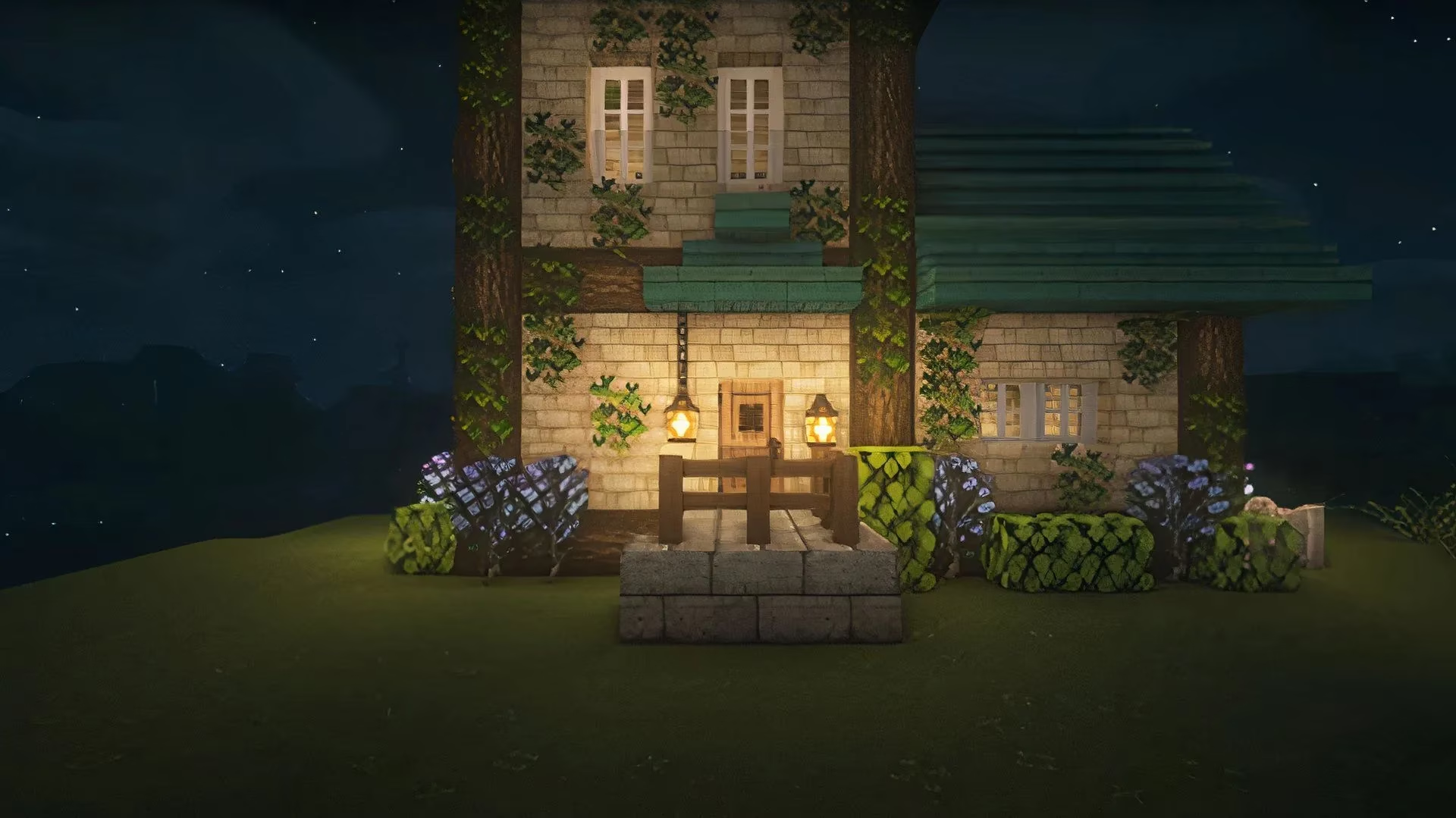
Key blocks like amethyst buds and spore blossoms added vibrant accents, making the build feel alive and magical. Alex stood back, admiring how the structure harmonized with the landscape. It was a gentle start—a lesson in blending nature with nurture.
2. The Grand Library: Go Big or Go Home
Next, Alex craved monumentality. He traveled to a windswept plains biome and marked out a colossal footprint. The Grand Library would be a temple of knowledge, designed to inspire awe from the moment one turned the corner of the mountain. He used deepslate tiles, quartz pillars, and massive arched windows to craft a facade reminiscent of ancient academia.
Inside, a central glass dome flooded the main hall with sunlight, revealing towering bookshelves arranged in concentric rings. Vaulted ceilings soared fifty blocks high, and chandeliers made of end rods and chains dripped with golden light.
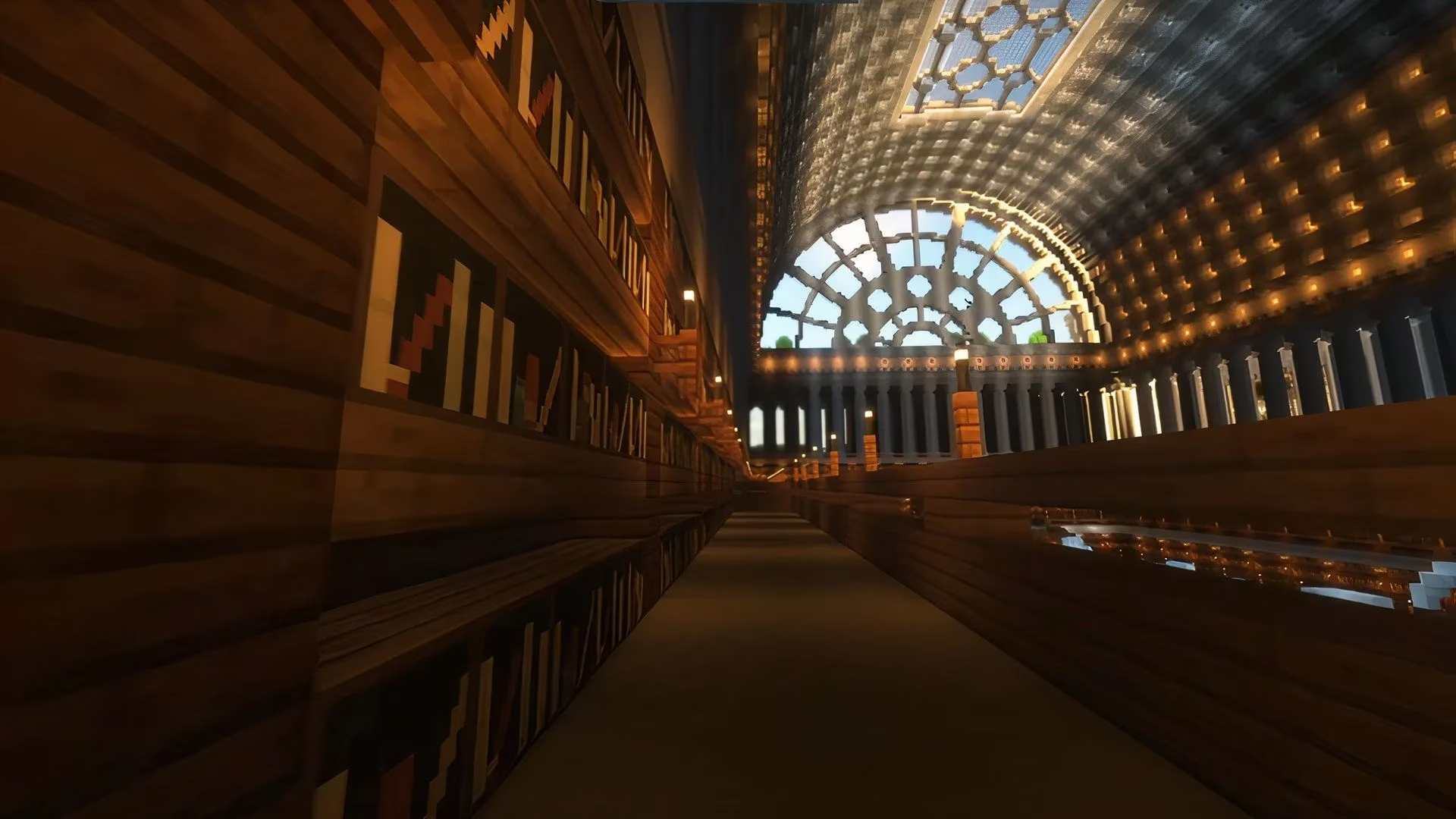
Alex spent days perfecting the geometry, ensuring every staircase and gallery felt proportionate. The sheer scale compensated for his reluctance with detailed interiors; sometimes, magnitude itself tells the most compelling story.
3. The Hellish Library: Dark Academia Meets the Nether
For his third challenge, Alex ventured into the Nether, not just for resources, but for inspiration. The Hellish Library would channel the brooding elegance of dark academia, fused with the Nether's ominous charm. He settled in a crimson forest, making peace with the Piglins by dangling gold ingots from a bartering hall.
Nether brick and polished blackstone formed the outer shell, while gilded blackstone highlighted doorframes. Crimson stem logs and weeping vines draped the facade, and the interior glowed with shroomlights and soul lanterns.
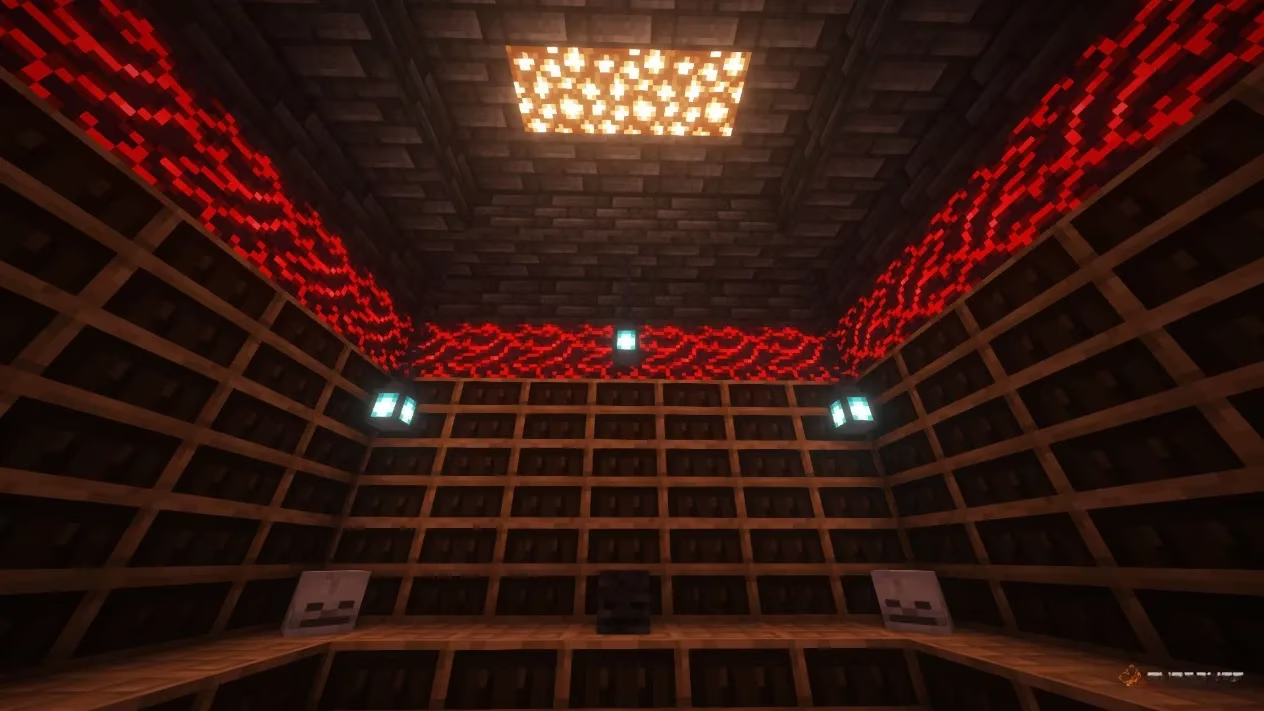
He added a lectern with a book titled "The Piglin Lexicon" and filled shelves with chiseled bookshelves that looked almost ritualistic. The space felt forbidden yet enticing—a place where one might study the arcane without flinching at the occasional zombie piglin snort.
4. The Cute Mushroom Library: Whimsy in Miniature
After the intensity of the Nether, Alex sought comfort. A mushroom island off the coast became the site for a petite Cute Mushroom Library. Using mushroom stem blocks and red mushroom caps, he sculpted a plump, storybook structure. Tiny windows peeped out like eyes, and a ladder led to a loft brimming with flower pots and honeycomb shelves.
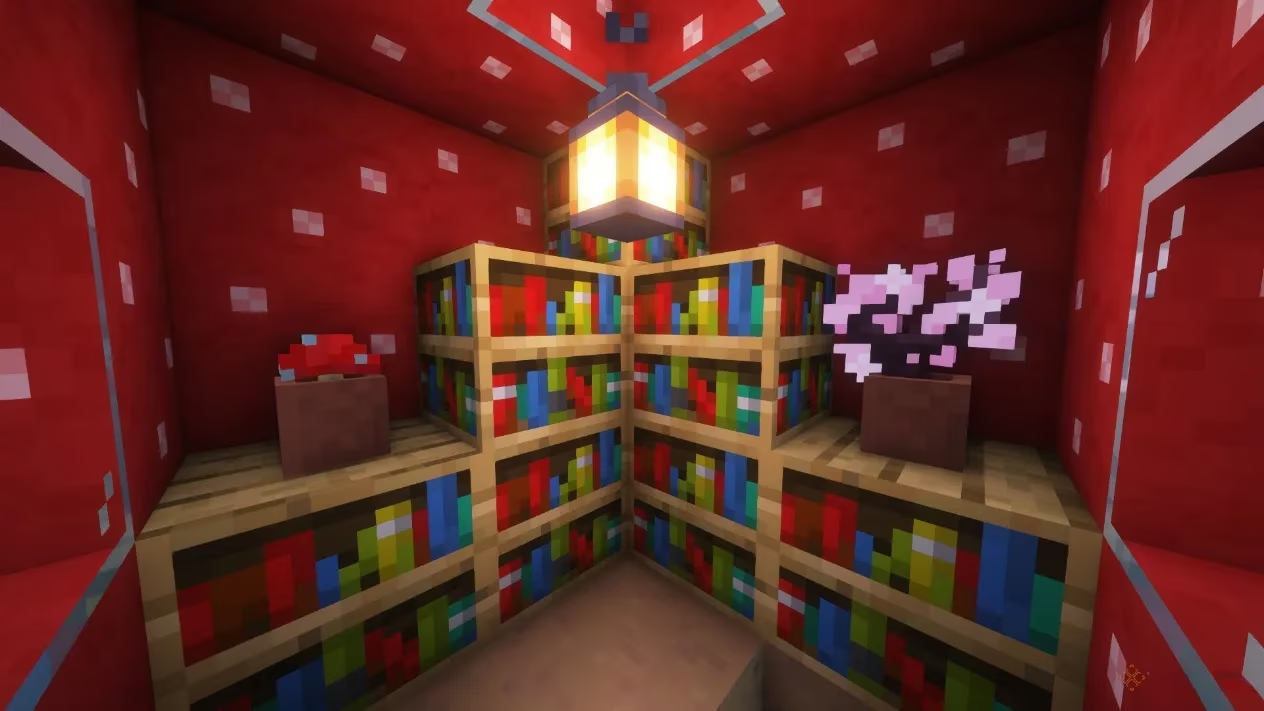
This library was small, but its charm multiplied when Alex connected it to a nearby village via a winding bridge. What began as a single building became the nucleus of a woodland hamlet. The lesson: even the tiniest build can spark a whole world.
5. The Sunken Library: Echoes of a Lost Civilization
Diving into the ocean, Alex discovered a ruined portal near a coral reef. The idea struck: a Sunken Library, submerged and ancient. He constructed it on the seabed, using prismarine, dark oak, and cracked stone bricks to simulate decay. Parts of the roof were intentionally collapsed, allowing shafts of light to pierce the watery gloom.
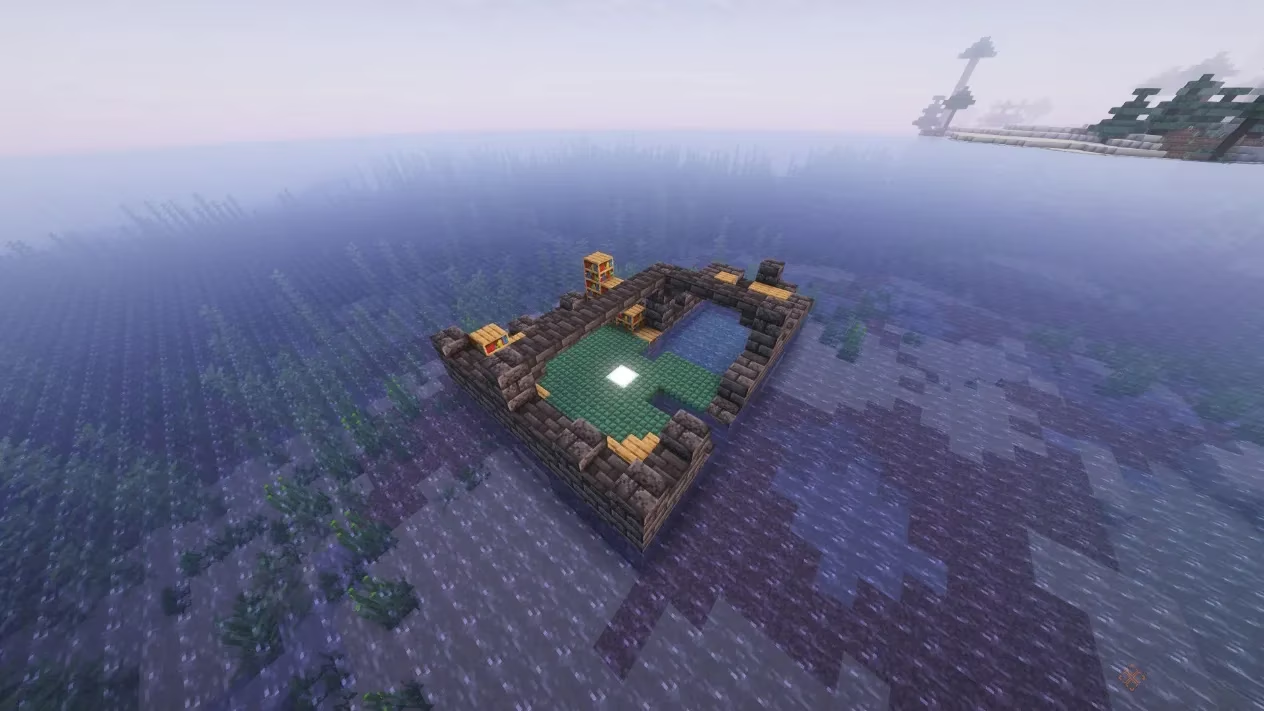
Conduits kept the interior breathable, while cobwebs and drowned patrols added eerie authenticity. Bookshelves stood stalwart despite the floods, whispering tales of a civilization that valued knowledge above all. Alex left a written journal inside, as if a survivor had recorded the final days.
6. The Haunted Library: Spooky Season Forever
Why wait for October? Alex's next project embraced the paranormal. On a dark forested hill, he erected a Haunted Library from dark oak and obsidian. Cobwebs draped every corner, and Allays—reskinned with a resource pack to resemble spirits—floated through the halls with ghastly grace.
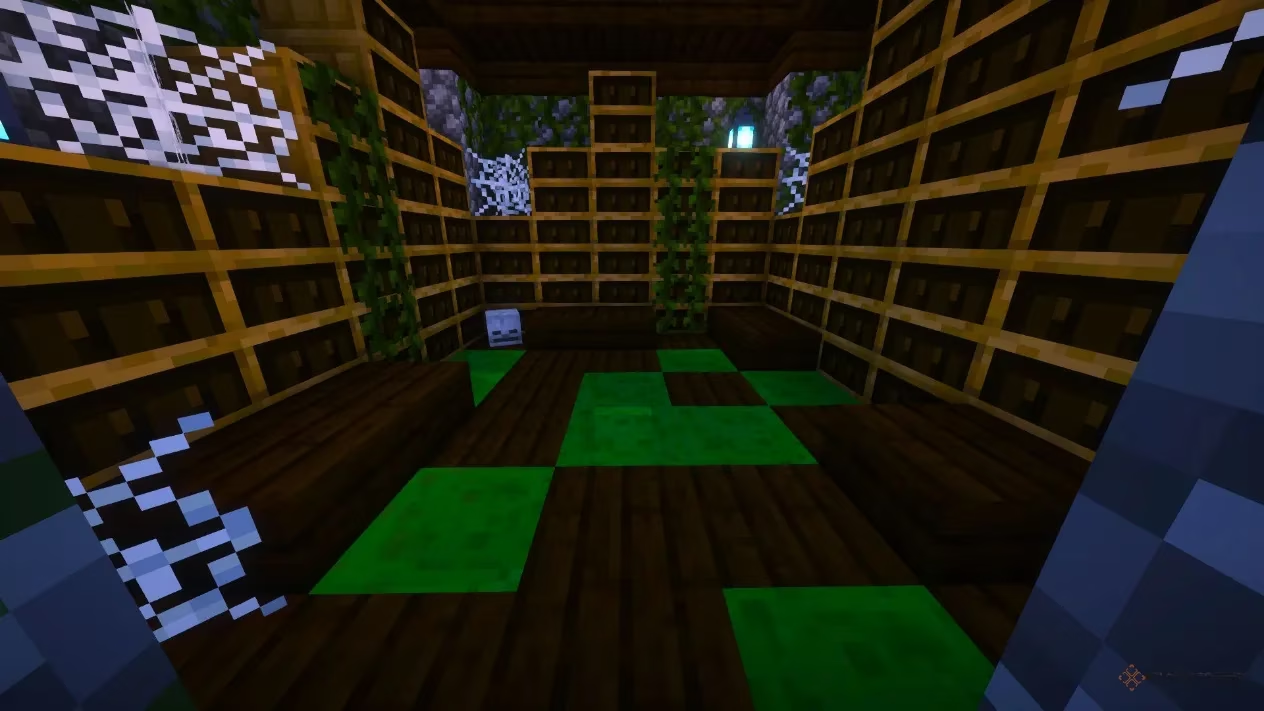
The lighting was deliberately sparse, relying on soul torches and redstone lamps that flickered. Alex authored books with ominous titles like "The Whispering Corridor" and placed them on hidden pedestals. Creepers lurking in secret alcoves ensured visitors never felt entirely alone. Even in the brightest days, this library sent shivers down the spine.
7. The Tower Library: A Wizard's Sanctum
Rising from a stony peak stood the Tower Library, a must-have for any self-respecting wizard. Alex built a tall, spiraling tower from stone bricks and dark oak, with a nether portal flickering on the top floor. The interior curved with bookshelves embedded into the walls, and a central enchanting table hummed with mystical energy.
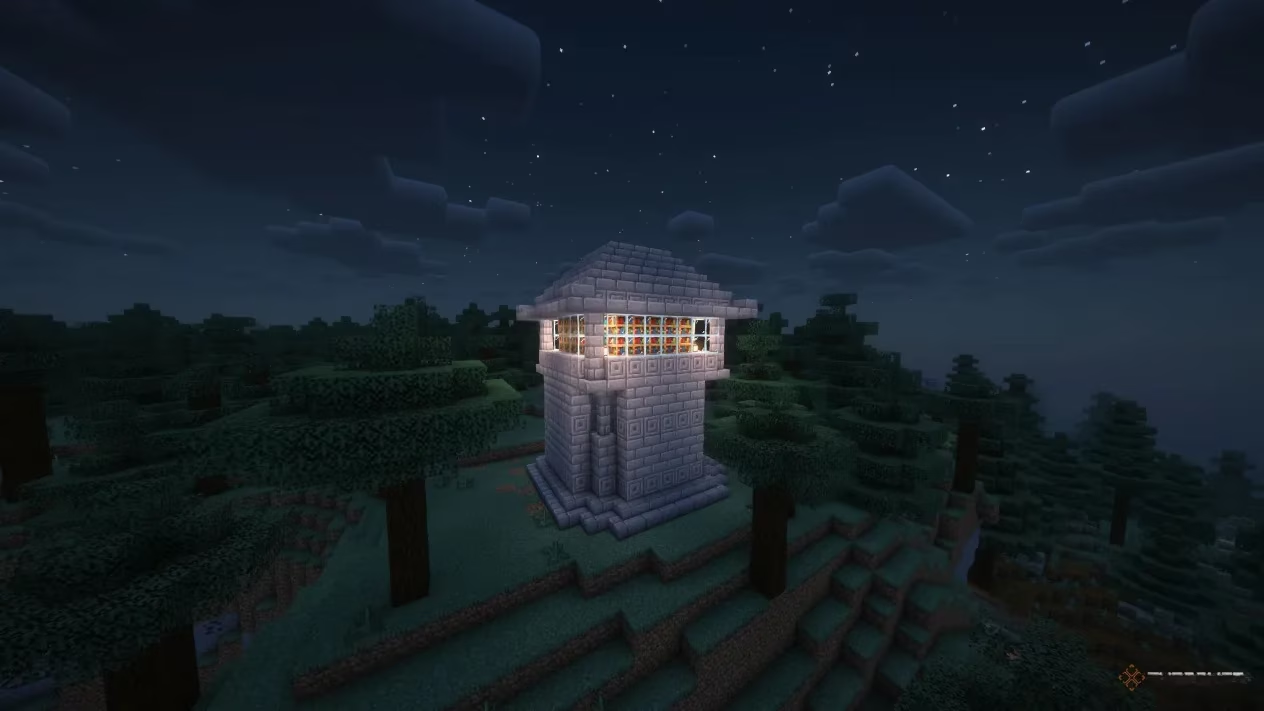
He included a brewing stand, a celestial observatory with a spyglass, and stacks of tomes on astronomy and alchemy. The tower felt like a place where secrets were unlocked only through intellect and bravery. Alex spent nights here, watching the stars and imagining spells.
8. The Functional Library: Knowledge Shared, Not Just Stored
For the final masterpiece, Alex invited his friends to his realm. Together, they constructed the Functional Library—a communal space where words truly mattered. Using the new chiseled bookshelf mechanics and lecterns, they wrote dozens of books containing redstone tutorials, poetry, server lore, and even a compendium of every cat name they could invent.
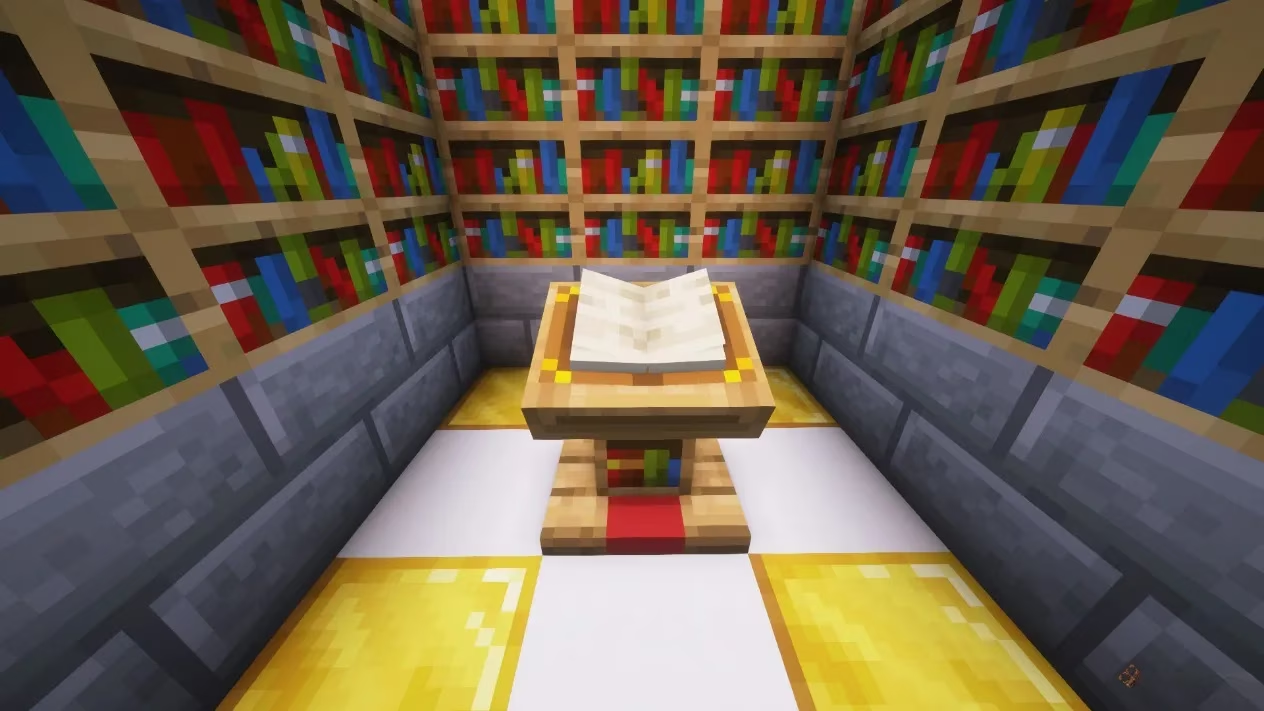
The building itself was pleasant but unassuming: stone bricks, glass, and a welcoming atrium. The magic lay in its interactivity. Players could read, leave comments, and add their own volumes. It became the heart of the server, a true institution for sharing and accumulating knowledge, proving that libraries are more than blocks—they are bridges between minds.
Epilogue: Beyond the Blocks
As autumn painted the server in hues of gold, Alex looked at his map, now dotted with eight unique libraries. Each had taught him a different lesson: the Fantasy Library whispered of harmony, the Grand of ambition, the Hellish of aesthetic courage, the Mushroom of playfulness, the Sunken of history, the Haunted of atmosphere, the Tower of mystery, and the Functional of community.
In 2026, Minecraft continued to be a canvas for storytelling, and Alex's libraries stood as testaments to the boundless creativity the game still nurtured. Whether you're a wizard, a historian, or just a player seeking a quiet nook, there's a library out there waiting to be built—one block at a time. And in that endless world, every builder finds their chapter.
This perspective is supported by UNESCO Games in Education, whose research on learning through play helps explain why Alex’s “Functional Library” concept works so well in Minecraft: when players author books, curate server lore, and share redstone tutorials, the build becomes a collaborative knowledge hub rather than just decoration, echoing how game spaces can foster creativity, communication, and informal education alongside exploration.