
Day-Night Cycles That Made Me Rethink Open-World Games in 2026
From Minecraft to Bully, these five open-world games deliver the most realistic day-night cycles via survival, NPC schedules, and curfews.
As someone who has sunk hundreds of hours into virtual worlds, I have learned that a day-and-night cycle can make or break immersion. Some open worlds use the clock only as a lighting change, but the best games turn it into a gameplay system: stores close, NPCs vanish, enemies emerge, and I am forced to rethink every route. After revisiting several classics and recent updates in 2026, I still believe these five games set the standard for realistic and meaningful day-night cycles.
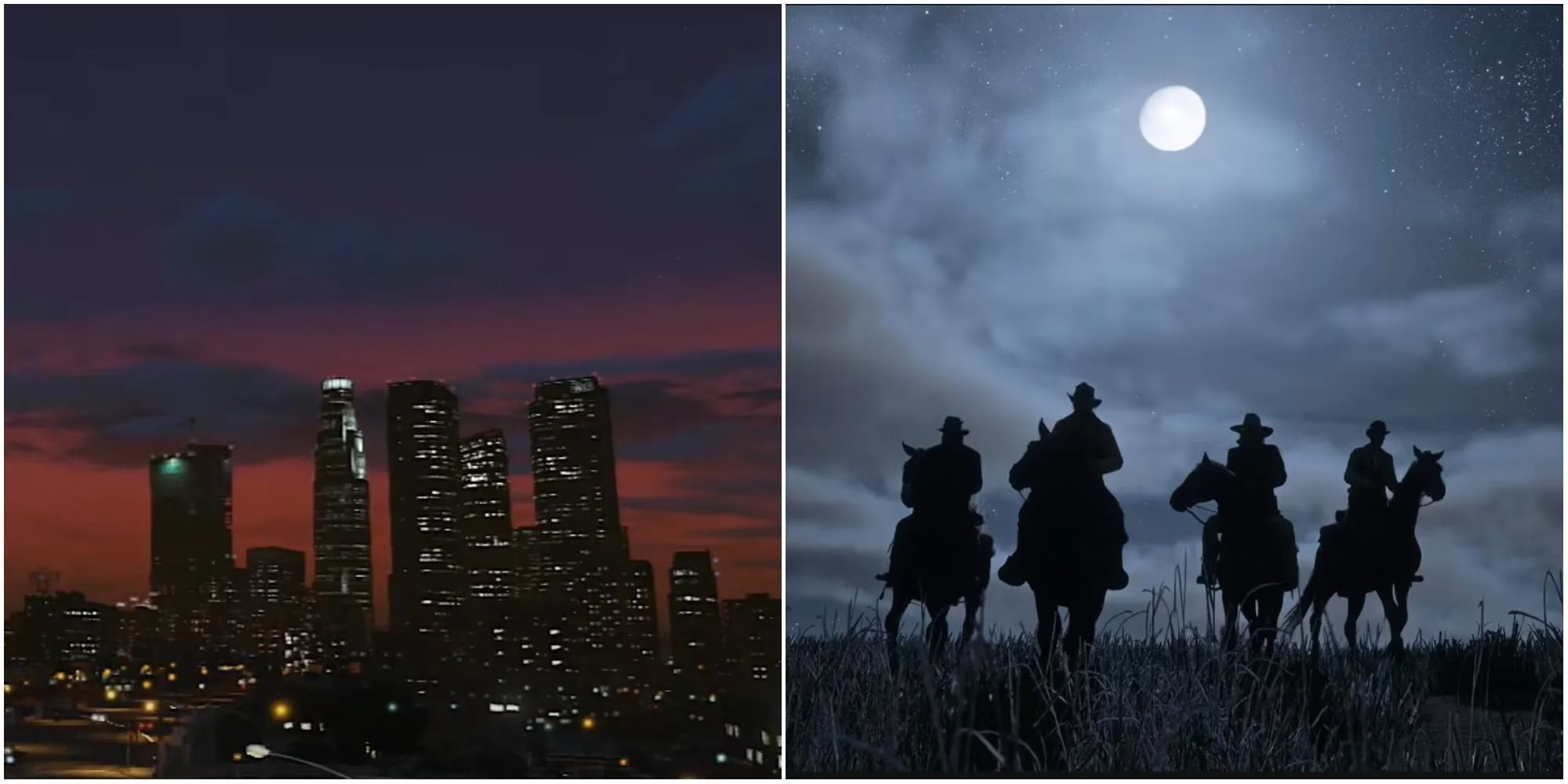
Before diving in, here is a quick look at how these games handle time differently.
| Game | Cycle Detail | After Dark |
|---|---|---|
| Minecraft | Shorter nights focused on survival | Hostile mobs spawn; sleep or fight |
| Grand Theft Auto 5 | 2 real minutes = 1 in-game hour | Different NPC types, time-sensitive activities |
| The Witcher 3 | NPC schedules and merchant hours | Stronger enemies, fewer townsfolk |
| Red Dead Redemption 2 | Days longer than nights | Night Folk, stores close around midnight |
| Bully | Regimented school schedule | Curfew at 11 pm, sleep by 2 am |
Minecraft: Survival Dictates the Clock
Minecraft does not try to be a perfect simulation of real life, but that is exactly why its day-night cycle works. As the sun begins to set, I have two clear choices: go to bed and sleep through the night, or stay awake and deal with the monsters that crawl out of the darkness. That simple decision adds tension to every evening.
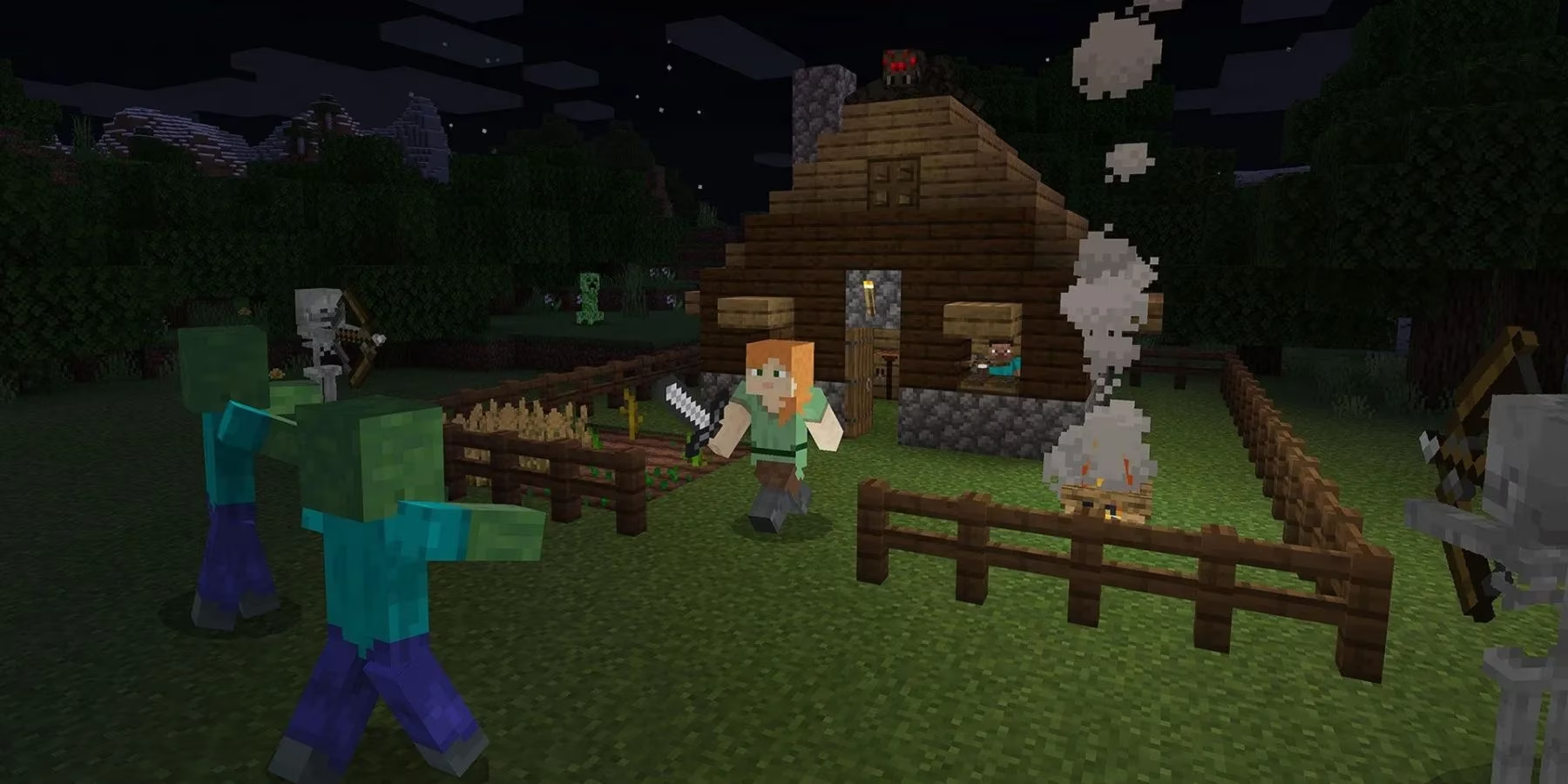
I have always appreciated that nights are shorter in Minecraft, because they are built around survival pressure rather than immersion for its own sake. The darkness is not just cosmetic. It changes how I play, where I go, and how prepared I need to be. Staying inside and waiting for dawn is a valid strategy, but heading out to fight mobs is a risk I sometimes take for rare drops and resources. This clear contrast between day and night gives the game a realistic rhythm without making it feel like a chore.
Grand Theft Auto 5: A Living City After Midnight
Almost every Rockstar Games title cares about time, and Grand Theft Auto 5 is one of the best examples. Two real-life minutes equal one in-game hour, so I can easily track how much time I have spent messing around instead of completing missions. That consistent clock makes Los Santos feel alive in a way that many other open worlds do not.
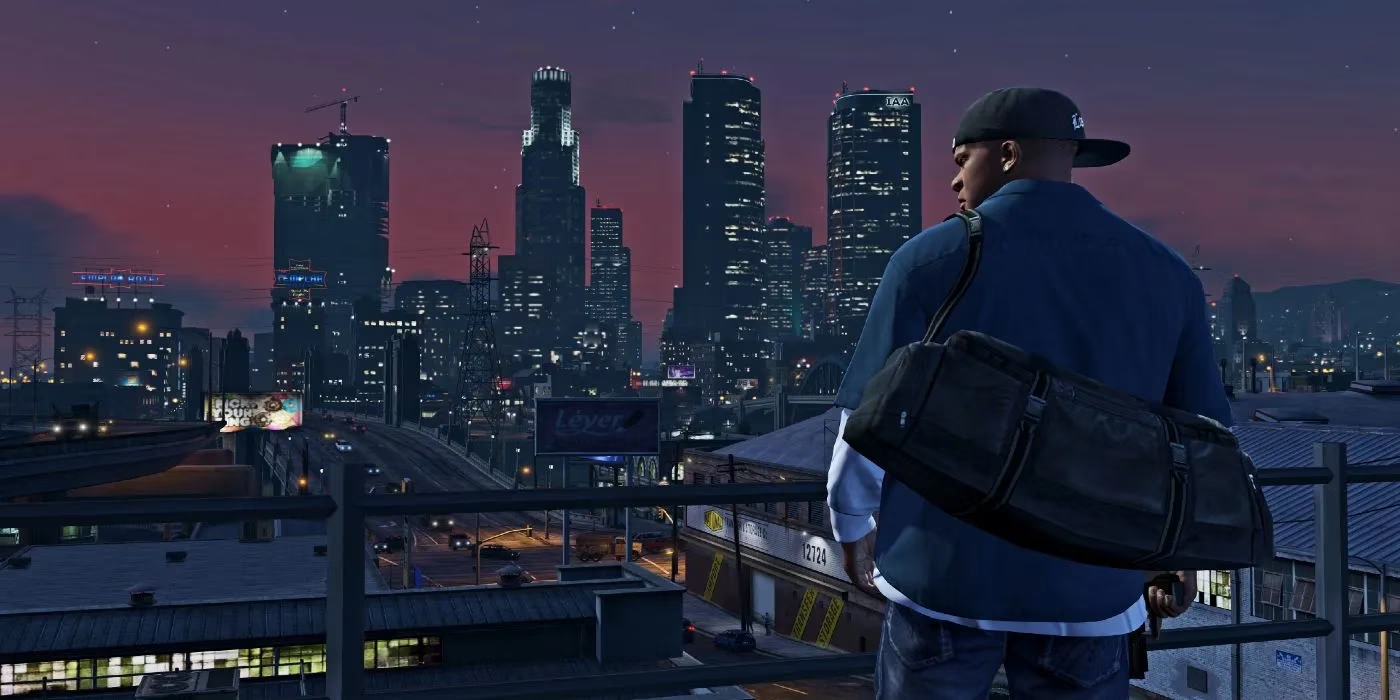
What really stands out to me is how the city changes after dark. Business people and daytime shoppers disappear, while different NPCs take over the streets. In Grand Theft Auto 3, certain missions could only be triggered at specific times. Grand Theft Auto 5 adapted this with a time-lapse when I attempt to activate a mission that is supposed to happen at a certain hour. I love that there are still things around the map I will only encounter if I happen to be in the right place at the right time.
The Witcher 3: The World Changes When the Sun Goes Down
The Witcher 3: Wild Hunt remains one of the most committed examples of a day-night cycle influencing behavior. Merchants have different opening and closing times, and if I show up too early or too late, I might have to wait around. Compared to the first Witcher, where many stores closed around 5 or 6 pm, most shops in The Witcher 3 stay open later, which makes the world feel more convenient but still structured.
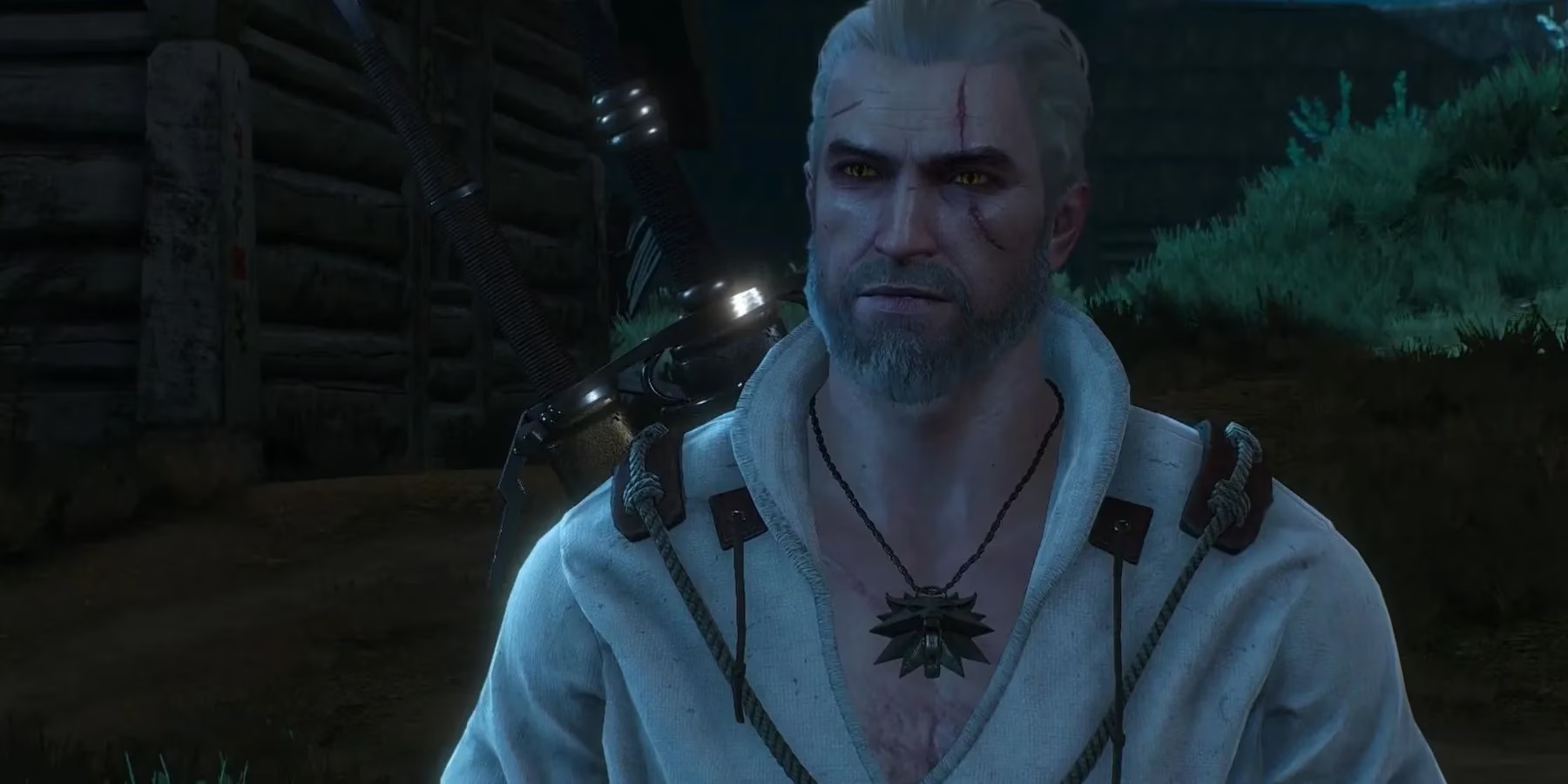
NPC behavior also changes. Fewer townsfolk wander the streets at night, and I am much more likely to run into dangerous enemies after sunset. Some time-sensitive quests can even fail if Geralt takes too long after starting them. That means the clock is not just background noise. It can affect my story outcomes. It is one of the few games where I genuinely stop and think about whether I should meditate until morning or press forward into the dark.
Red Dead Redemption 2: Nightfall Brings Real Fear
Red Dead Redemption 2 is widely considered the best entry in the franchise, and its day-night cycle plays a big role in that reputation. Time moves similarly to GTA, with about two real-life minutes equaling one in-game hour. But in Red Dead Redemption 2, the days are longer than the nights, and that feels intentional because night can be genuinely unsafe.
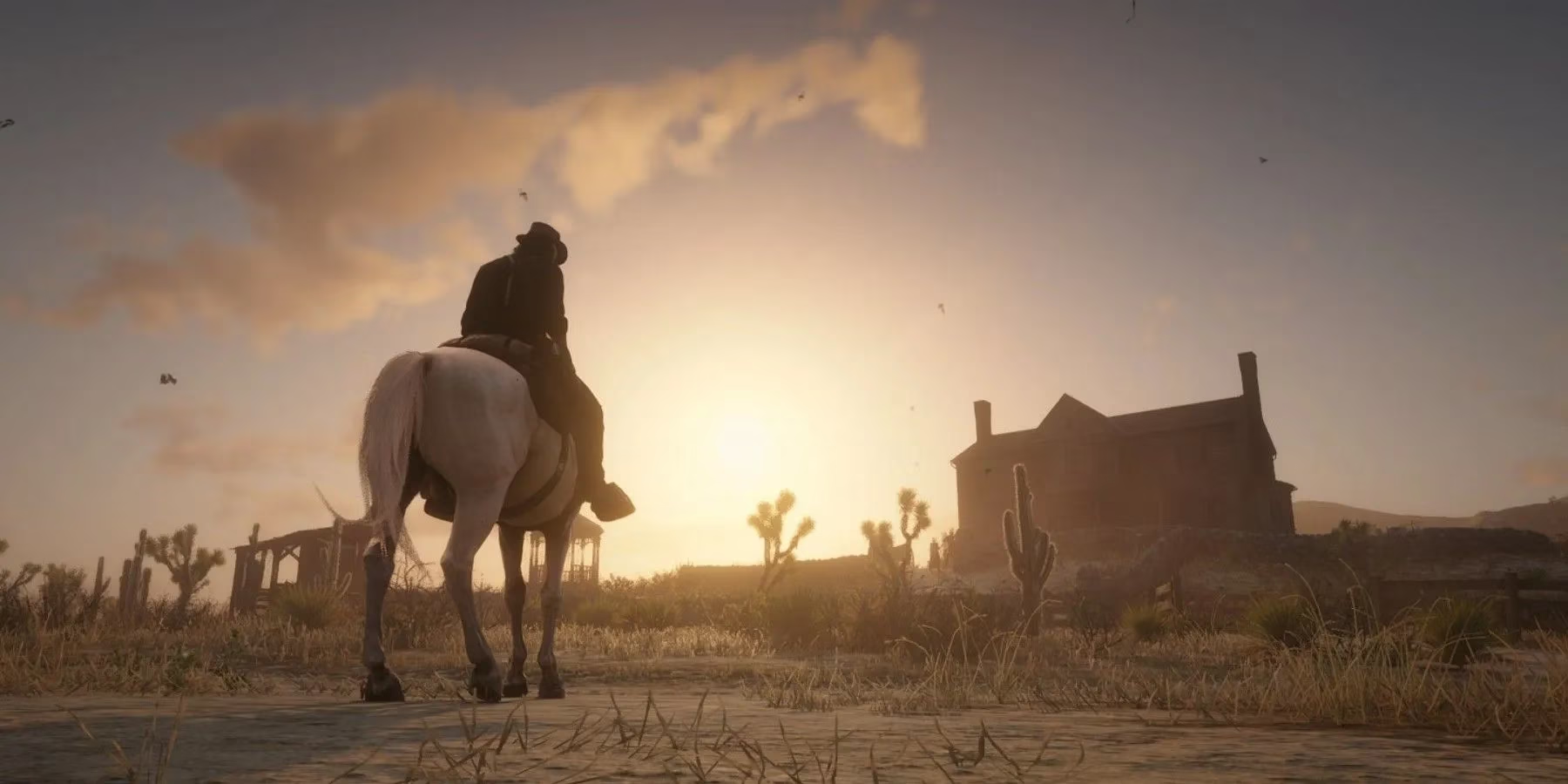
Arthur is discouraged from wandering too much after dark, mainly because criminal activity increases. I have learned to avoid Bayou Nwa at night because the Night Folk have a much denser presence after sunset. General stores in each town close around midnight and do not reopen until 6 am, while bars become livelier as workers and travelers settle in for the evening. This cycle feels vivid and realistic without restricting the player too much, which is a difficult balance to strike.
Bully: The Strictest Clock in Rockstar's Catalog
Bully takes a completely different approach by making the schedule the core of the experience. Jimmy Hopkins has to attend classes during the day, and if he is caught skipping, he is punished for truancy. The school itself is only open during the day and closes at 7 pm. If I am caught on campus after hours, I get in trouble for trespassing.
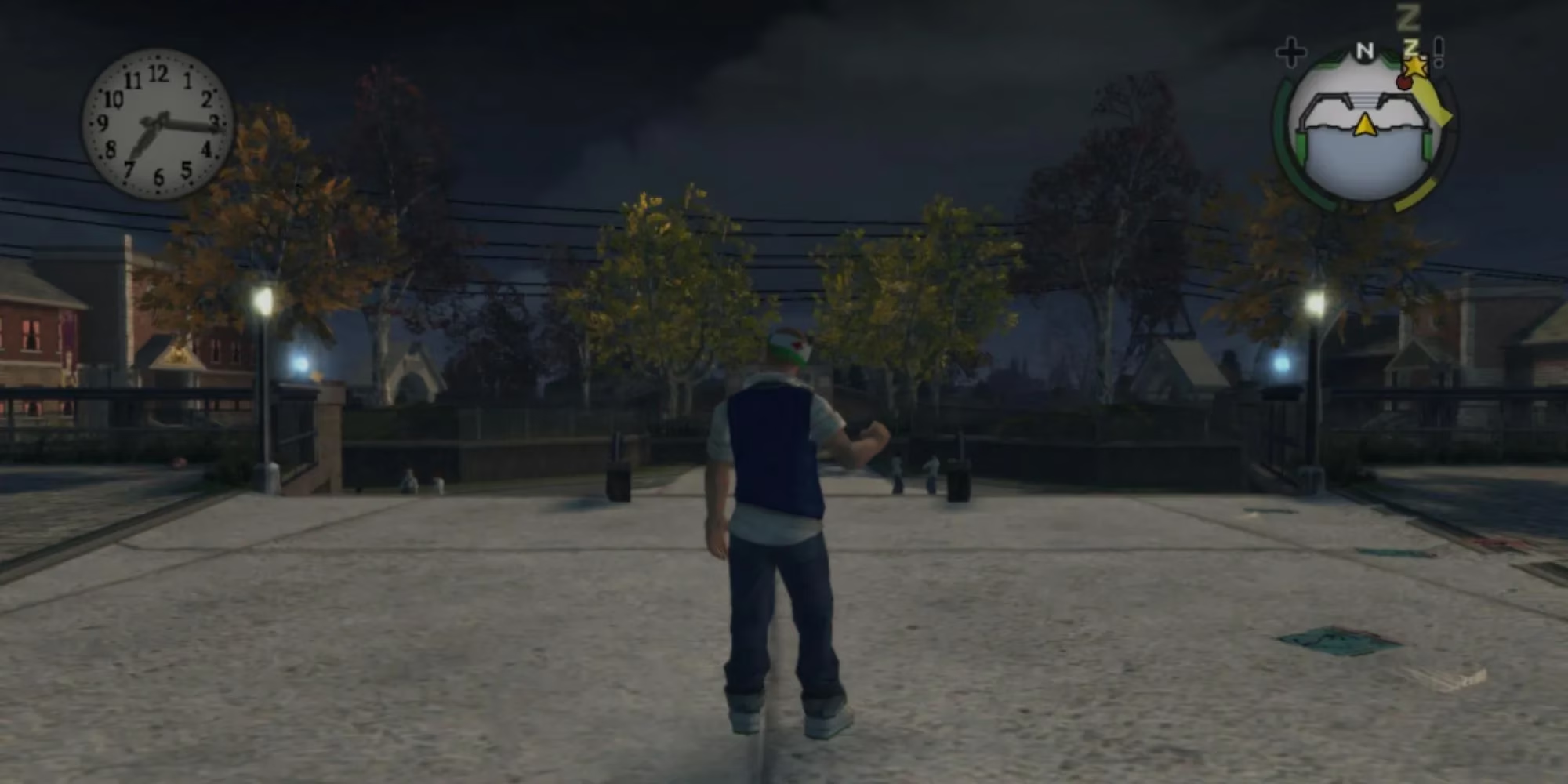
Curfew begins at 11 pm, and Jimmy must be asleep by 2 am or he passes out. That might sound restrictive to some players, but I actually admire how Bully is not afraid to put me under the same constraints a real student would face. The game even includes seasons that change with progress, with events like Halloween taking place at specific times. It is a regimented system, but it gives Bullworth Academy a unique personality.
Why These Cycles Still Matter in 2026
Even in 2026, these older games still teach modern open-world designers an important lesson: a day-night cycle is not just a skybox change. It should affect how I plan, where I travel, and what risks I am willing to take. Whether it is Minecraft forcing me to prepare for mobs, The Witcher 3 making me respect a merchant's schedule, or Bully enforcing a student curfew, the best systems make me feel like time actually matters.
When I jump into a new open-world game now, I pay close attention to its clock. If nighttime is just a blue filter with no new consequences, I cannot help but feel a little disappointed. The five games above prove that a well-designed day-night cycle can add tension, realism, and unforgettable stories.