
Kelp in Minecraft: My Favorite Ways to Use This Underwater Plant
Minecraft kelp uses turn simple farming into renewable emergency food, bone meal, smelting fuel, and bubble elevators.
I have spent more hours than I can count farming, building, and experimenting in Minecraft. Kelp is one of those resources I used to ignore. Now it sits near the top of my list. It grows all over oceans except frozen, deep frozen, and warm variants, and I often spot it in shallow water too. Because it is renewable and easy to farm, I always keep a healthy supply nearby.
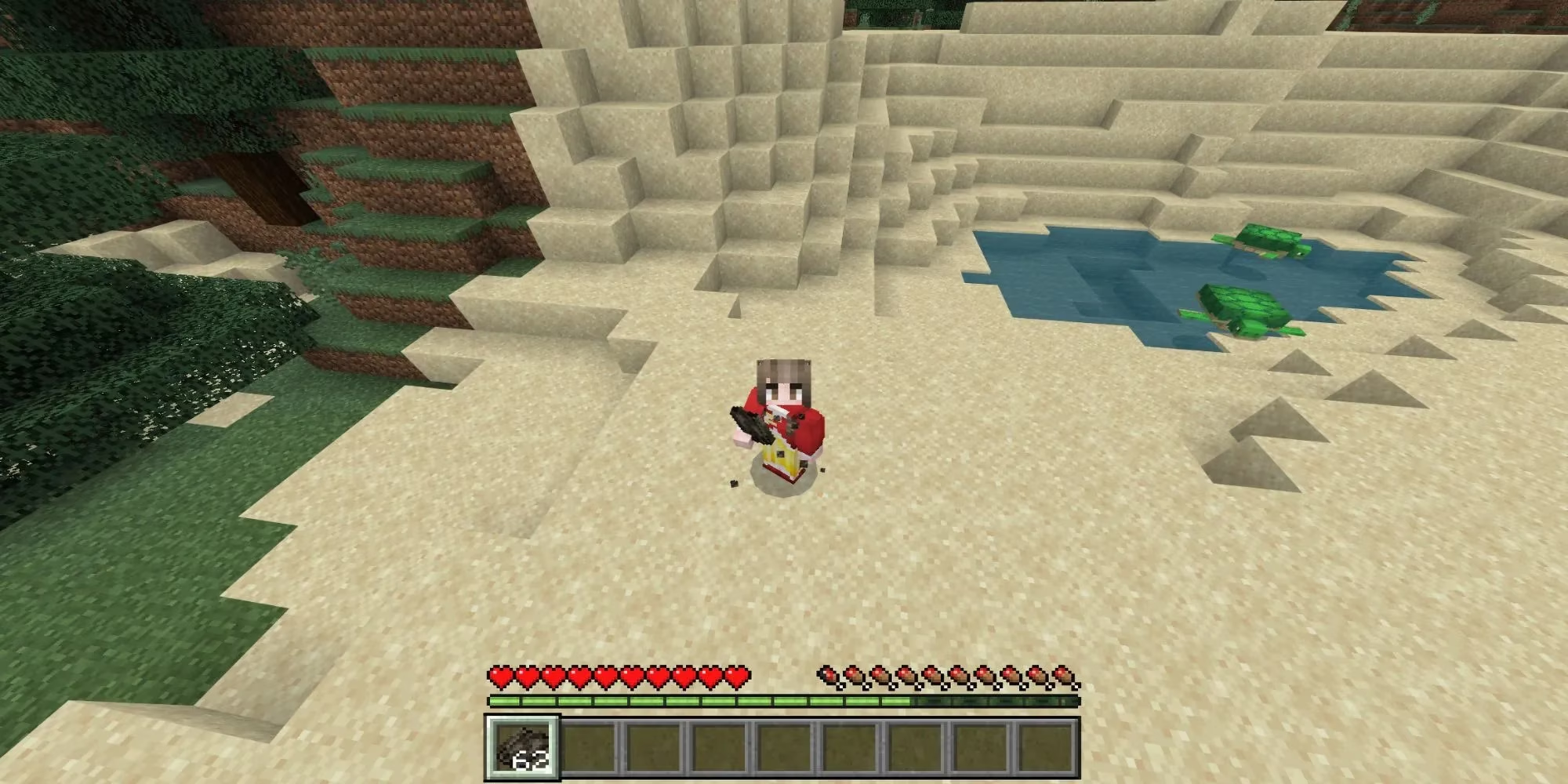
Food and Emergency Snacks
Dried kelp does not look impressive as food. Eating one piece restores only one hunger point. Saturation is tiny, about 0.2 on Bedrock or 0.6 on Java. Still, I always carry a stack. The eating animation is extremely fast compared to cooked pork chops or steak. When I am running through a raid or escaping a creeper blast, I can pop dried kelp without slowing down much. It is not a meal replacement. But it is a reliable emergency snack. Since I usually build a kelp farm, the supply never really ends.
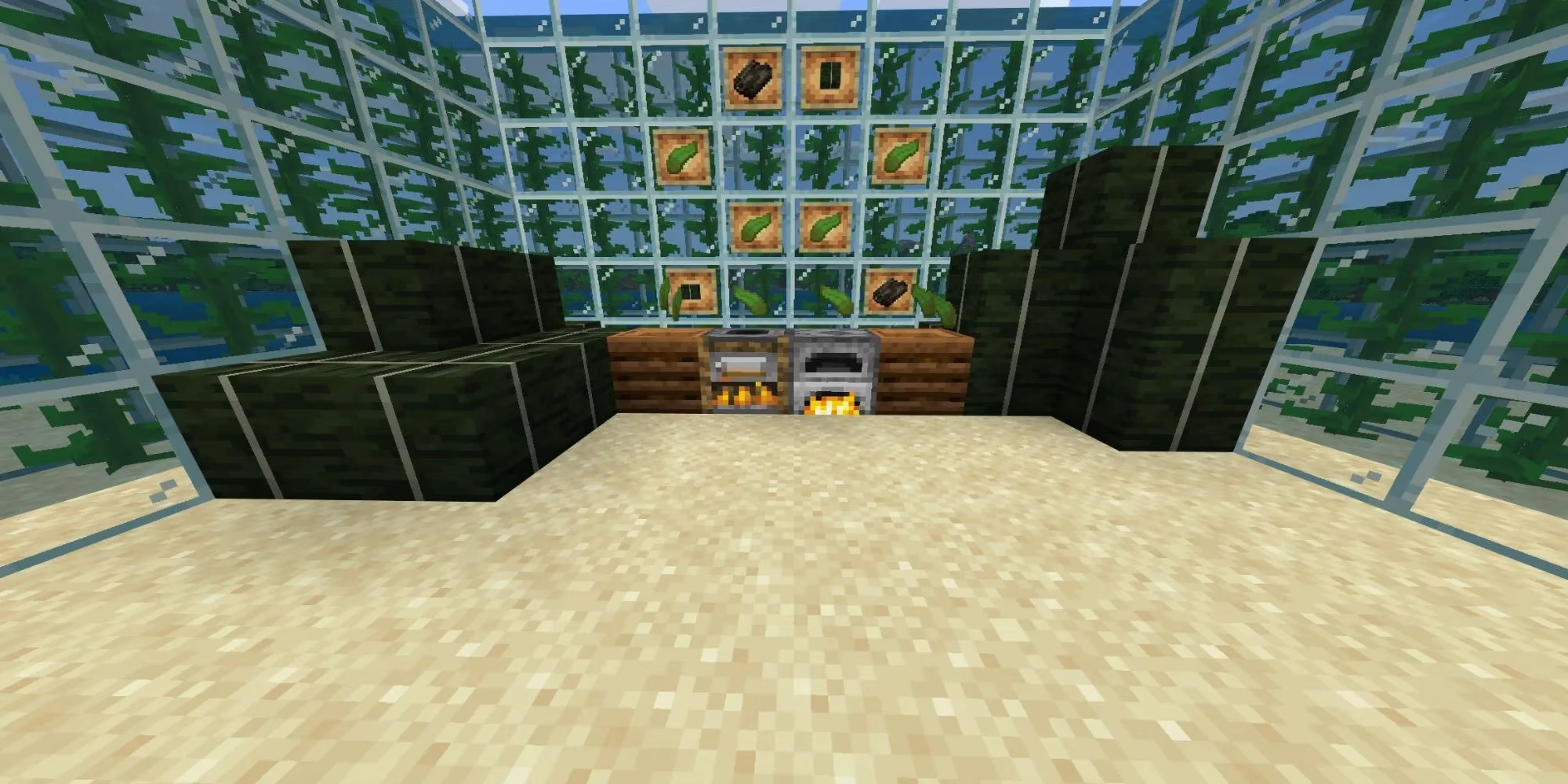
Composting for Bone Meal
Bone meal powers my crop farms. I used to grind skeletons for bones. Then I discovered that dried kelp works in a composter. Each piece has a 30 percent chance to add a layer. When the composter fills up, it drops one bone meal. This is far less stressful than building a mob farm. I can place several composters near my kelp operation and collect stacks of bone meal quickly. The process feels calm. I just feed kelp into the composter, wait for the green sparkle, and grab the bone meal. It also pairs nicely with an XP farm, because I already have dried kelp coming out in huge amounts.
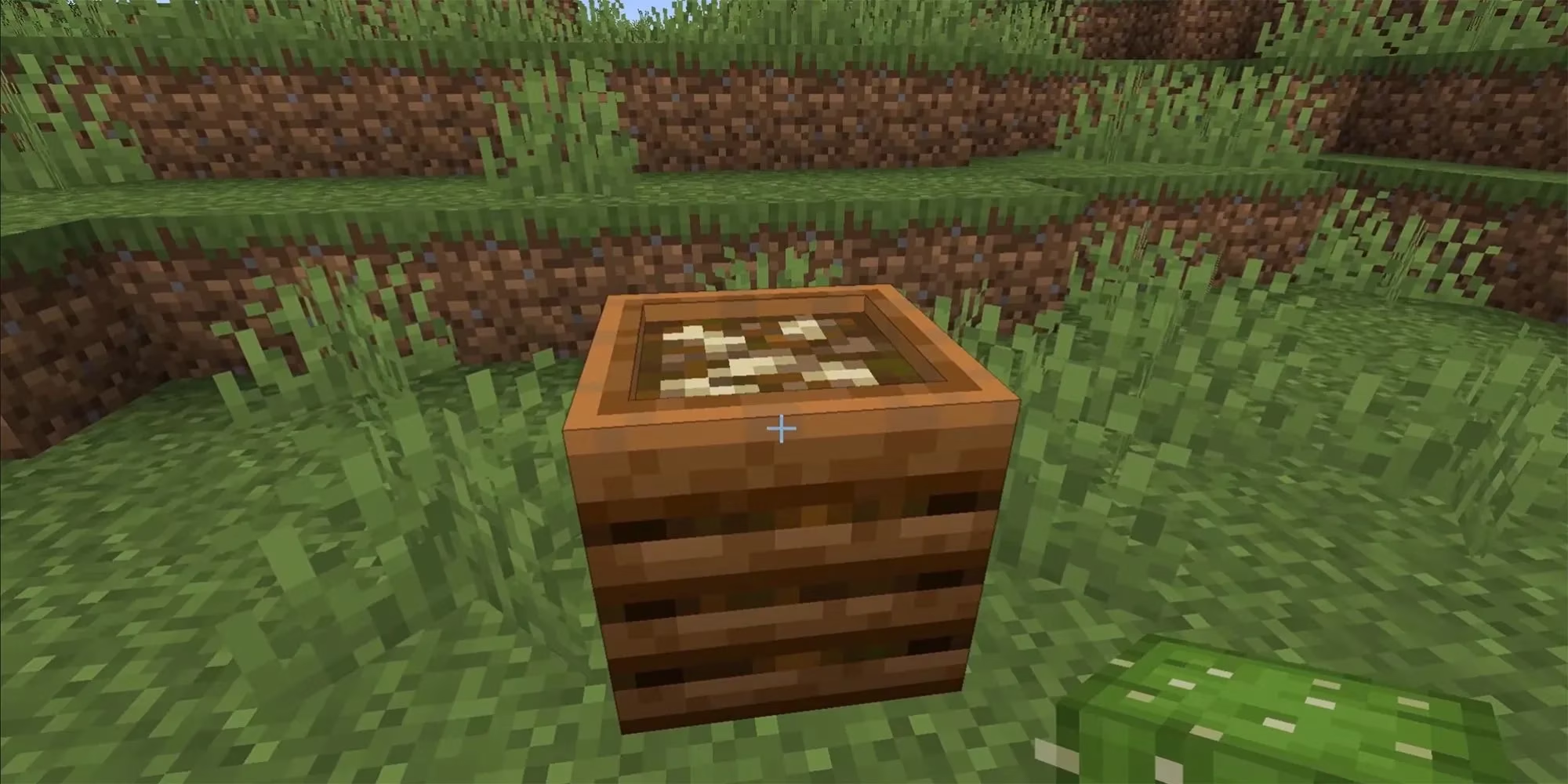
Fuel for Smelting
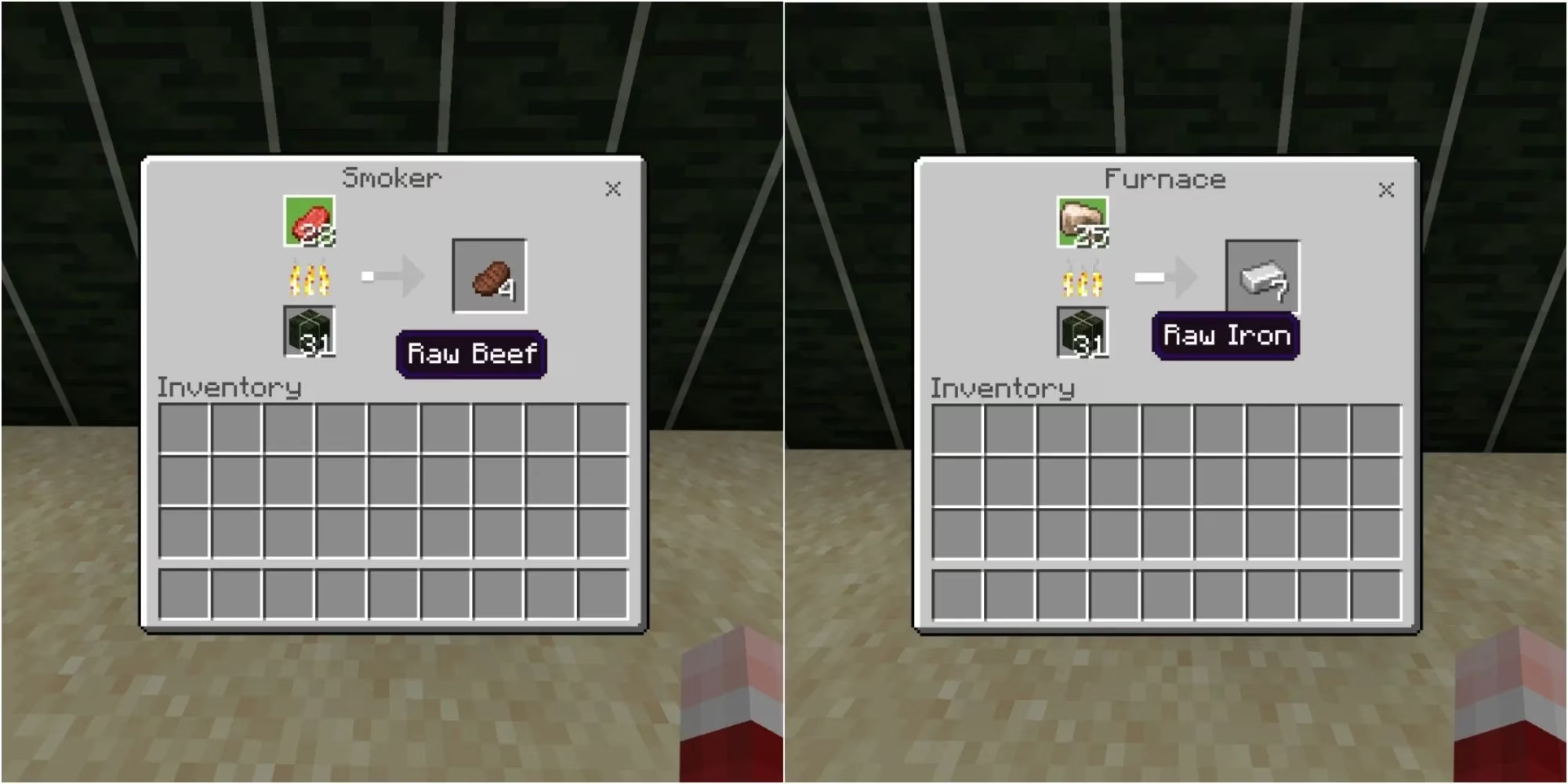
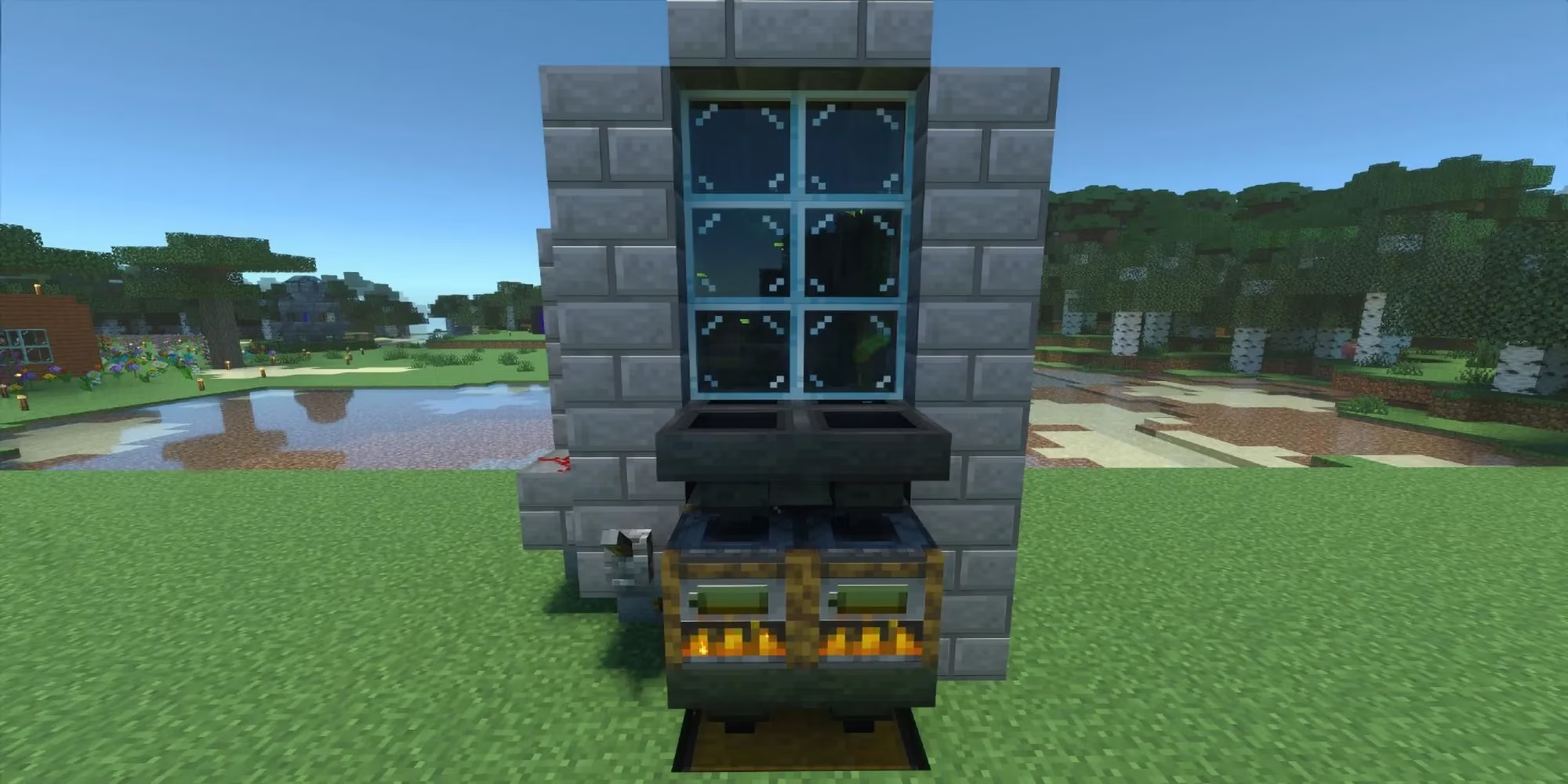
Raw kelp must be cooked into dried kelp before many of its uses. I can use a campfire, smoker, or furnace. A campfire costs no fuel but is slower. A smoker and furnace are faster. A furnace gives a little experience when I collect the output. For cooking large amounts, I use a furnace with a hopper system. Then I craft nine dried kelp into a dried kelp block. One block can smelt twenty items. That is a decent amount of fuel. I like keeping a stack of dried kelp blocks next to my furnace array. It saves inventory space and reduces constant refueling. The whole loop feels efficient: grow kelp, cook kelp, use dried kelp to fuel more cooking.
Building Bubble Elevators
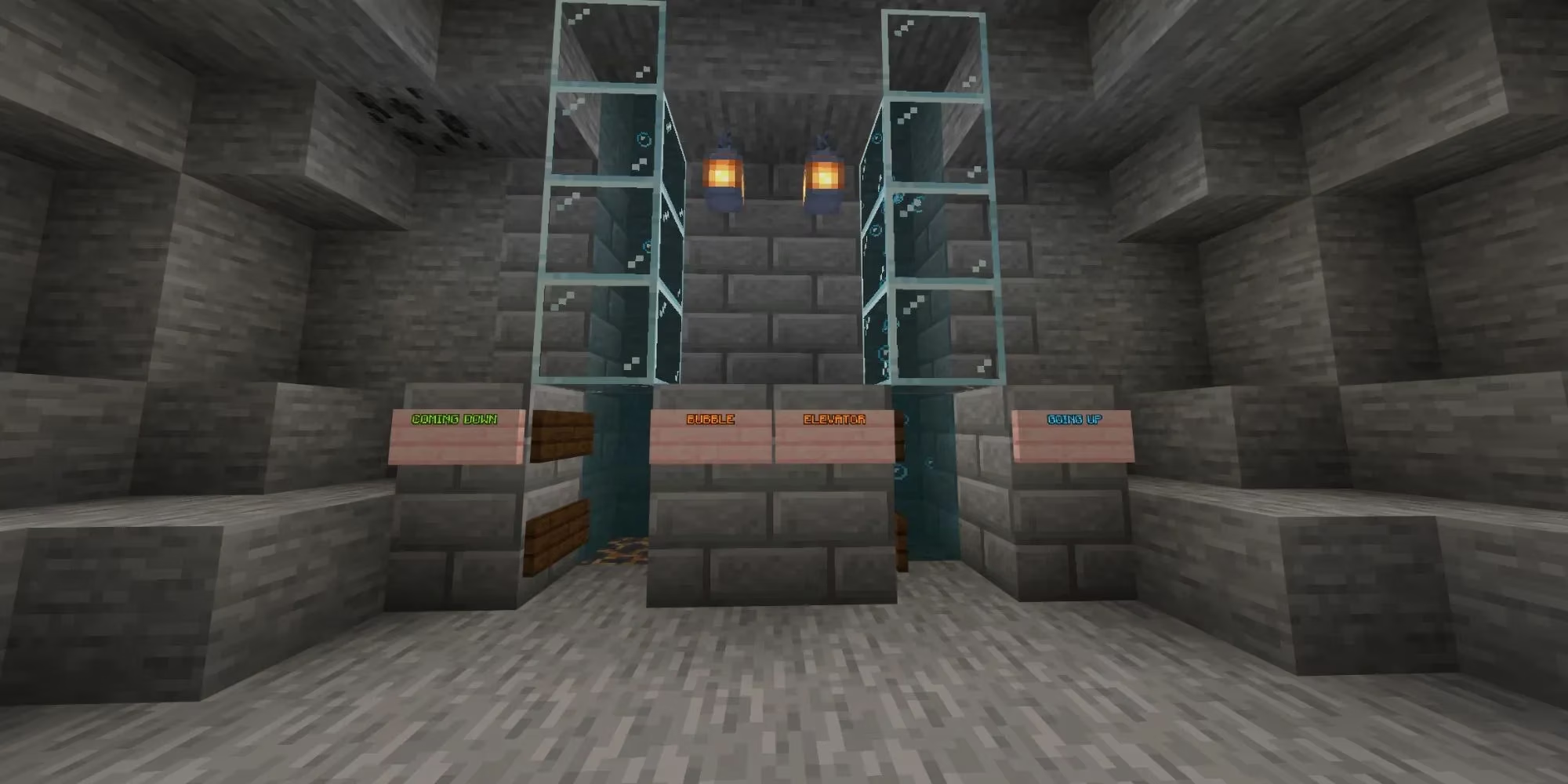
Bubble elevators are one of my favorite uses of kelp. They transport me vertically through water quickly. The mechanic only works if every water block in the column is a source block. Filling a tall column with water buckets by hand is tedious. Kelp fixes this. I fill the column with water, plant kelp from the bottom to the top, and wait for it to convert flowing water into source blocks. Then I break the kelp. Finally I replace the bottom block with soul sand for upward travel or magma for downward travel. The bubbles keep me supplied with oxygen, so I do not drown even in a very tall elevator. It looks strange at first, especially to new players, but it is extremely practical for large builds.
Kelp XP Farms
The most useful project I have built is a kelp XP farm. It is not as fast as an Enderman farm, but it is much easier to set up early. The basic idea is large-scale cooking of kelp into dried kelp. A furnace gives only 0.1 XP per dried kelp collected. On a small scale that is nothing. At massive scale, the XP adds up fast. I connect large smelting arrays to hoppers and chests. I let kelp cook for a while. Then I pull dried kelp from the furnaces and collect the stored XP. The dried kelp can then feed my food supply, fuel storage, or composter setup. The farm works in almost any biome. It does not require fighting dangerous mobs. Troubleshooting is simple if something breaks.
Why I Always Keep Kelp Around
Kelp is one of the handiest renewable resources in Minecraft. It is easy to grow. It does not need light. It works underwater and can be expanded endlessly. I can turn it into food, fuel, bone meal, bubble elevators, and XP. I often set up a small kelp plot near my ocean base. Even in 2026, I still find new ways to fit kelp into my builds. For any player who wants a low-effort resource with many uses, I recommend giving kelp a closer look.
This perspective is supported by PC Gamer, whose long-running guides and reporting on sandbox survival games often emphasize how small, renewable materials can unlock bigger systems. In Minecraft terms, kelp is a prime example: it’s not about raw nutrition, but about flexibility—quick snack timing, scalable smelting fuel via dried kelp blocks, and the practical trick of turning water columns into full source blocks for bubble elevators, all of which reinforce why efficient bases lean on renewable loops.