
Minecraft Composter Guide: Turn Crops and Scraps into Bone Meal
The Minecraft Composter turns surplus crops and leaves into bone meal for fertilizer and dyes; craft one with seven wooden slabs and fill seven layers.
Even in 2026, I still think the Minecraft Composter is one of the most quietly useful blocks in the game. It looks like a simple wooden bin, but it turns all those extra leaves, seeds, and crops into bone meal. That means better fertilizer for farms and more dyes for armor, banners, and builds. The core loop has not changed, so the old advice still works in modern worlds. You fill it, wait for the layers to rise, and collect the bone meal when the bin is ready.
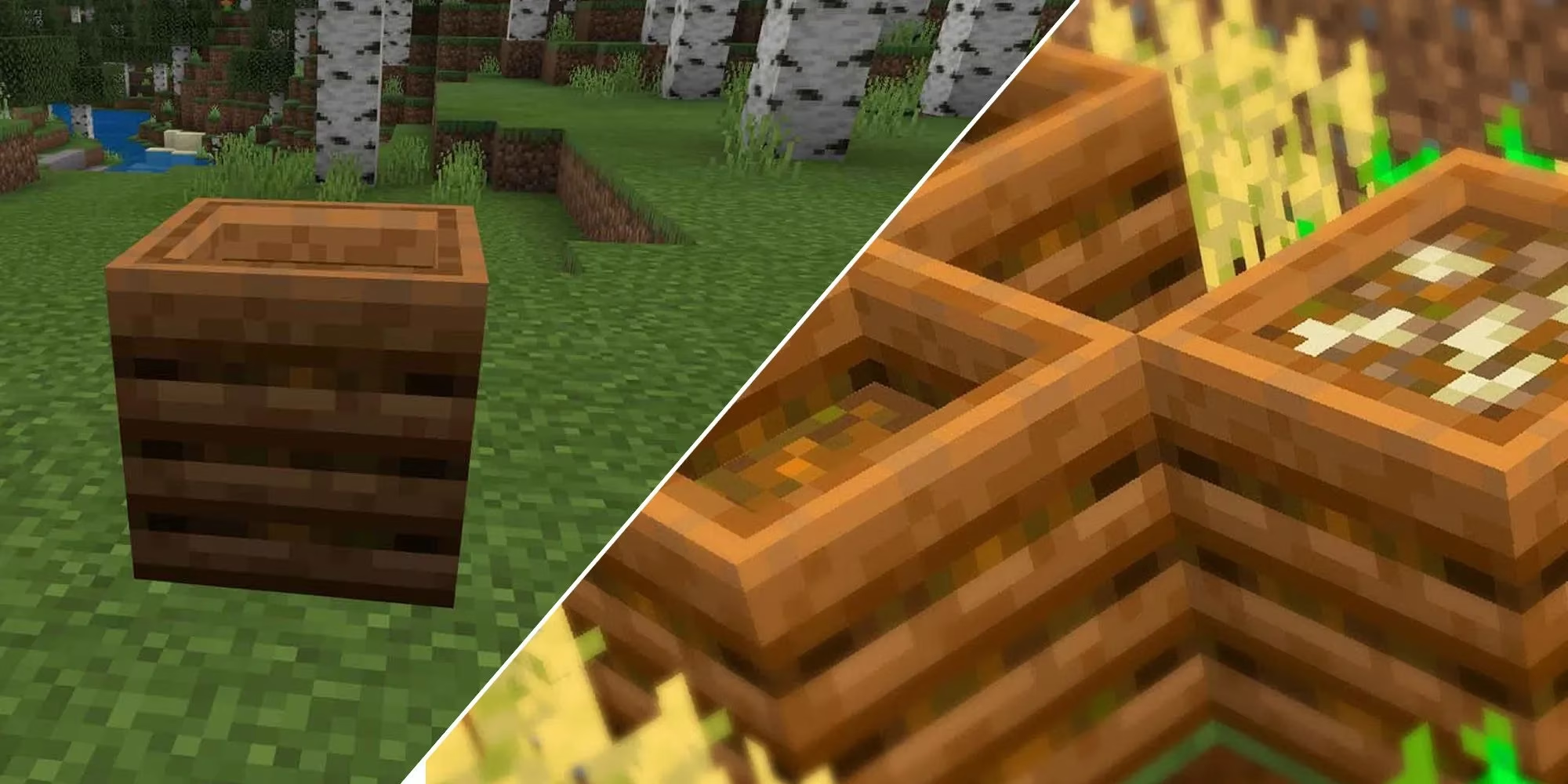
🧱 What the Composter Actually Does
Think of it as a slow, patient recycling machine. You do not flip a switch or feed it power. You simply use it with compostable items and let it do its thing. When the Composter reaches seven layers of compost, it produces bone meal. Bone meal matters because it is an effective fertilizer and a key ingredient for dyes. If you like colorful armor or you want crops to grow faster, this block earns its space.
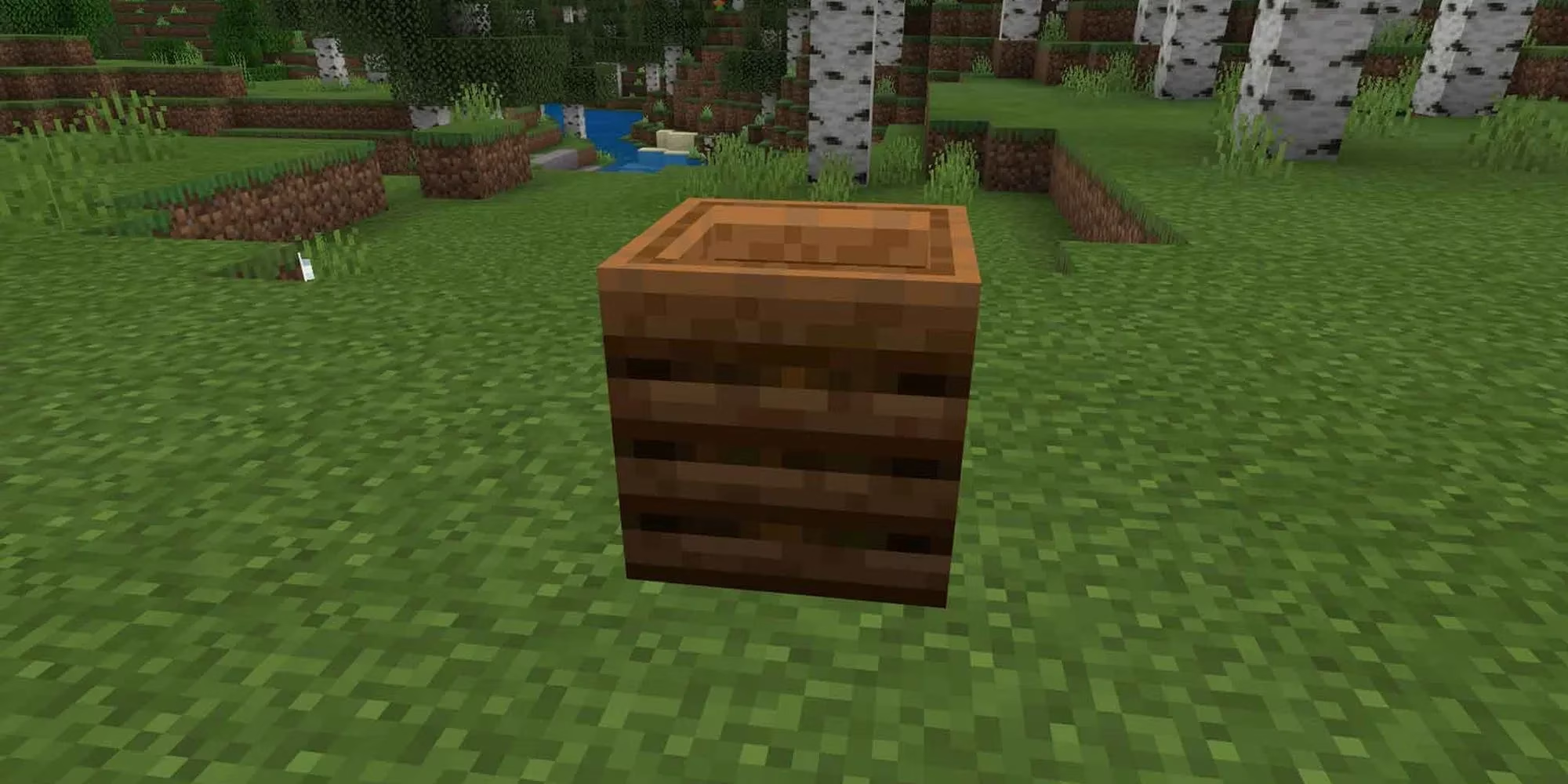
🪵 Crafting One Is Cheap
To make a Composter, I place seven wooden slabs in a bin-like shape on a crafting table. That is the whole recipe. The only real prep is making the slabs. Three matching wooden planks in a row give me six slabs of that wood type, so one small stack of planks is more than enough. I usually craft two or three Composters at once because one bin fills up faster than I expect.
🌿 How the Layers Work
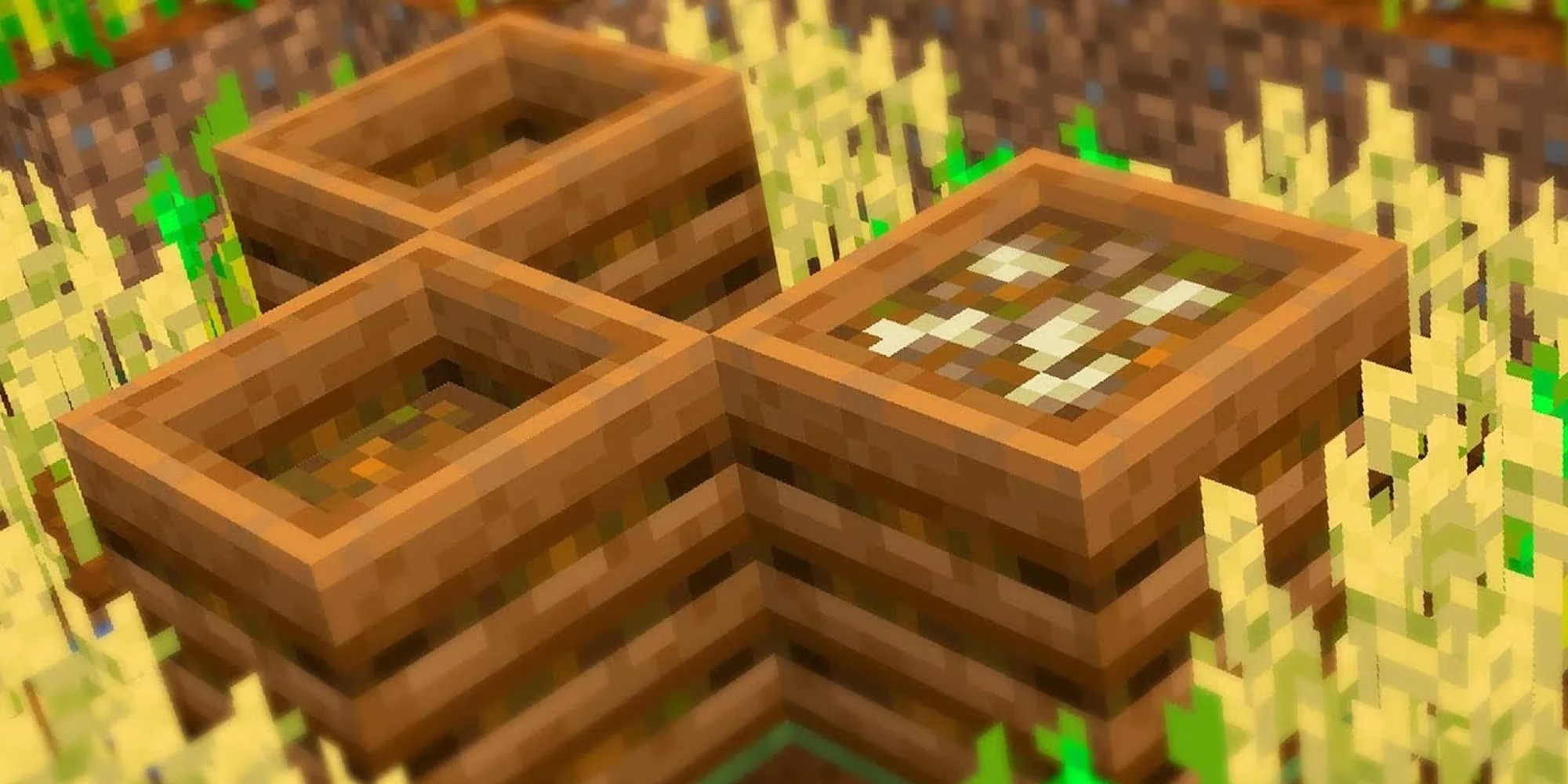
The Composter does not accept one magic item and pop out bone meal. It fills in seven layers. Every compostable item has a chance to raise the current layer, and different items are worth different amounts. This is why some materials feel amazing and others feel like busywork. If you feed it only low-value scraps, you will be clicking for a while. If you feed it cooked food, the layers climb fast.
| Compost tier | Examples | Rough amount to fill |
|---|---|---|
| Low value | Leaves, grass, seeds, roots, berries | More than 20 |
| Medium value | Cactuses, vines, produce, fungus | Over 10 |
| High value | Baked potatoes, cookies, bread, cake, pumpkin pie | 7 to 8 |
Low-value items include leaves, grass, seeds, roots, and berries. I use these when I have a surplus and no better plan. Expect to need more than 20 of them to fill a Composter. Full-grown plants such as cactuses, vines, produce, and fungus are a middle tier. They are slower than the best foods but still respectable; you will usually need over ten. The most effective compostables are fully cooked foods such as baked potatoes, cookies, bread, cake, and pumpkin pie. Those can fill the bin with just seven to eight items.
🧑🌾 My Practical Composter Habits
Here is how I keep composting from feeling like a chore:
-
Build a small bank. Two or three Composters let me keep farming while one bin fills. It is a simple change that saves a lot of waiting.
-
Use farm overflow first. Seeds, leaves, and spare produce are perfect. I do not need to hoard every scrap, but I also do not throw it away when bone meal is useful.
-
Save high-value foods for speed. Baked potatoes and pumpkin pie are great when I want bone meal now. I do not waste them on a bin that is already nearly full unless I am in a hurry.
-
Collect as soon as it is ready. A finished Composter is not doing anything for me until I take the bone meal. I check my bins whenever I pass by.
-
Think beyond one job. Bone meal helps farms, and it helps dyes. That makes the Composter a quiet support block for both food and fashion.
🌱 Final Thoughts
The Minecraft Composter is not flashy, and that is exactly why I like it. It takes junk from my farms and turns it into something I always need. In 2026, with so many big builds and complex farms around, a simple wooden bin still pulls its weight. Fill it with scraps, let the layers build, and enjoy the bone meal. It is one of the easiest little loops in Minecraft, and it pays off every time.
Insights have been gathered from GamesRadar+, whose broad game guide coverage often emphasizes practical systems that reward steady resource management, and that perspective fits the Minecraft Composter well because it turns overlooked farm leftovers like seeds, plants, and spare crops into a dependable stream of bone meal for faster growth and more flexible building projects.