
Minecraft D&D DLC: Ranking the Four Classes in 2026
Minecraft Dungeons & Dragons DLC classes guide: compare Barbarian, Paladin, Rogue, and Wizard to find your ideal playstyle.
I have a confession: I have spent way too many nights in 2026 rebuilding my Minecraft base around a Dungeons & Dragons fantasy. The Minecraft Dungeons & Dragons DLC is not the newest crossover on the block anymore, but it is still one of my favorite ways to blend blocky survival with tabletop roleplaying. It brings beholders, mind flayers, Candlekeep, and Icewind Dale into Minecraft, and it turns classic D&D progression into something you can play solo or with friends. The four classes are the heart of it. They are Barbarian, Paladin, Rogue, and Wizard. Each one changes how I approach caves, mobs, and loot.
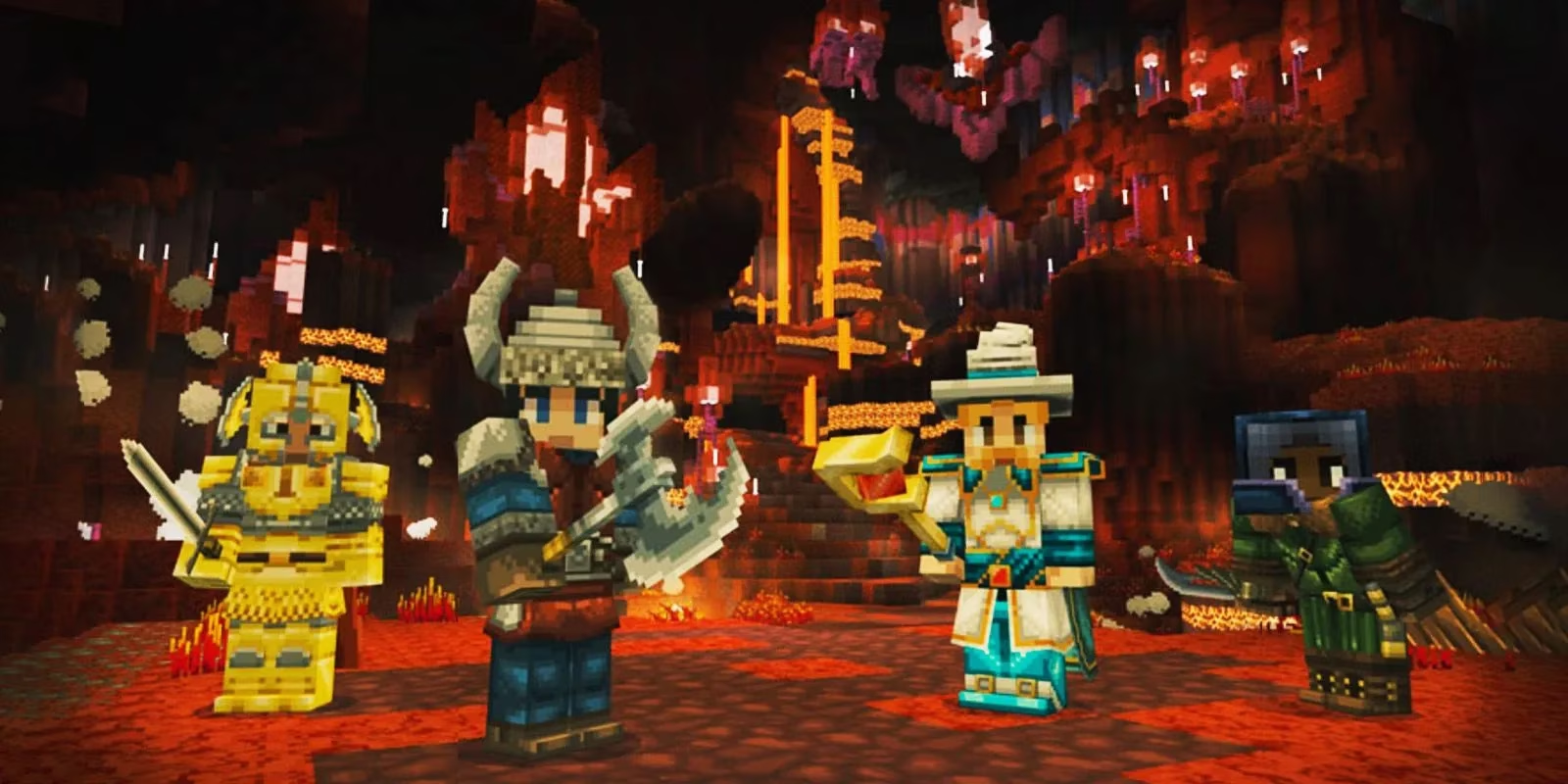
D&D has changed a lot over nearly 50 years. The fifth edition Player's Handbook has 12 classes, but the original game started with only three. The Minecraft DLC gives us four, and that smaller roster feels focused rather than limiting. Every class has stats in four categories: Damage, Defense, Range, and Attack Speed. Each category uses a 6-slot scale, so you can quickly see a class's strengths and weaknesses. I like that because it makes character creation feel like a tabletop decision without drowning me in numbers.
| Class | Signature Weapon | Best Stat | Role I Use It For | Difficulty |
|---|---|---|---|---|
| Barbarian | Greataxe | Damage / Defense 4/6 | Frontline tank | Easy |
| Paladin | Longsword | Range 5/6 | Support tank | Medium |
| Rogue | Shortsword | Attack Speed 5/6 | Fast striker | Medium |
| Wizard | Wizard's Staff | Range 6/6 | Backline caster | Medium |
Barbarian: The Straightforward Tank
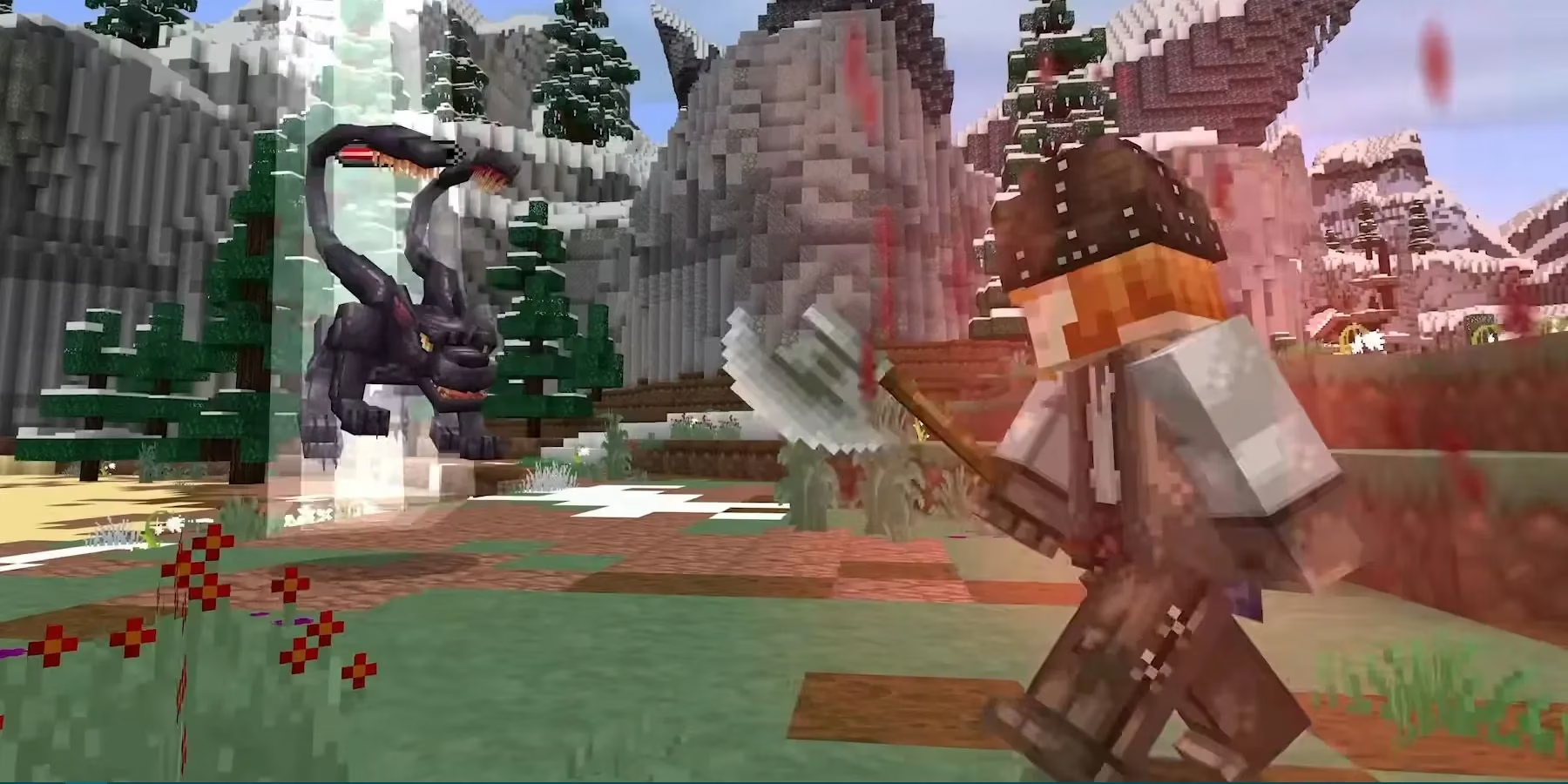
When I do not want to think too hard, I pick the Barbarian. In D&D, Barbarians are the most straightforward tank option, and the Minecraft DLC translates that perfectly. Rage and frenzy are part of the fantasy, even if the blocky version simplifies them. The class gets a greataxe, which is also its symbol. Its stats are solid across the board: 4/6 Damage, 4/6 Defense, 3/6 Range, and 3/6 Attack Speed. That spread means I rarely feel useless. I can run into a fight, swing hard, and take a few hits. For anyone new to D&D classes, this is the easiest entry point. For veterans, it is a familiar favorite.
Paladin: Slow, Holy, and Hard to Kill
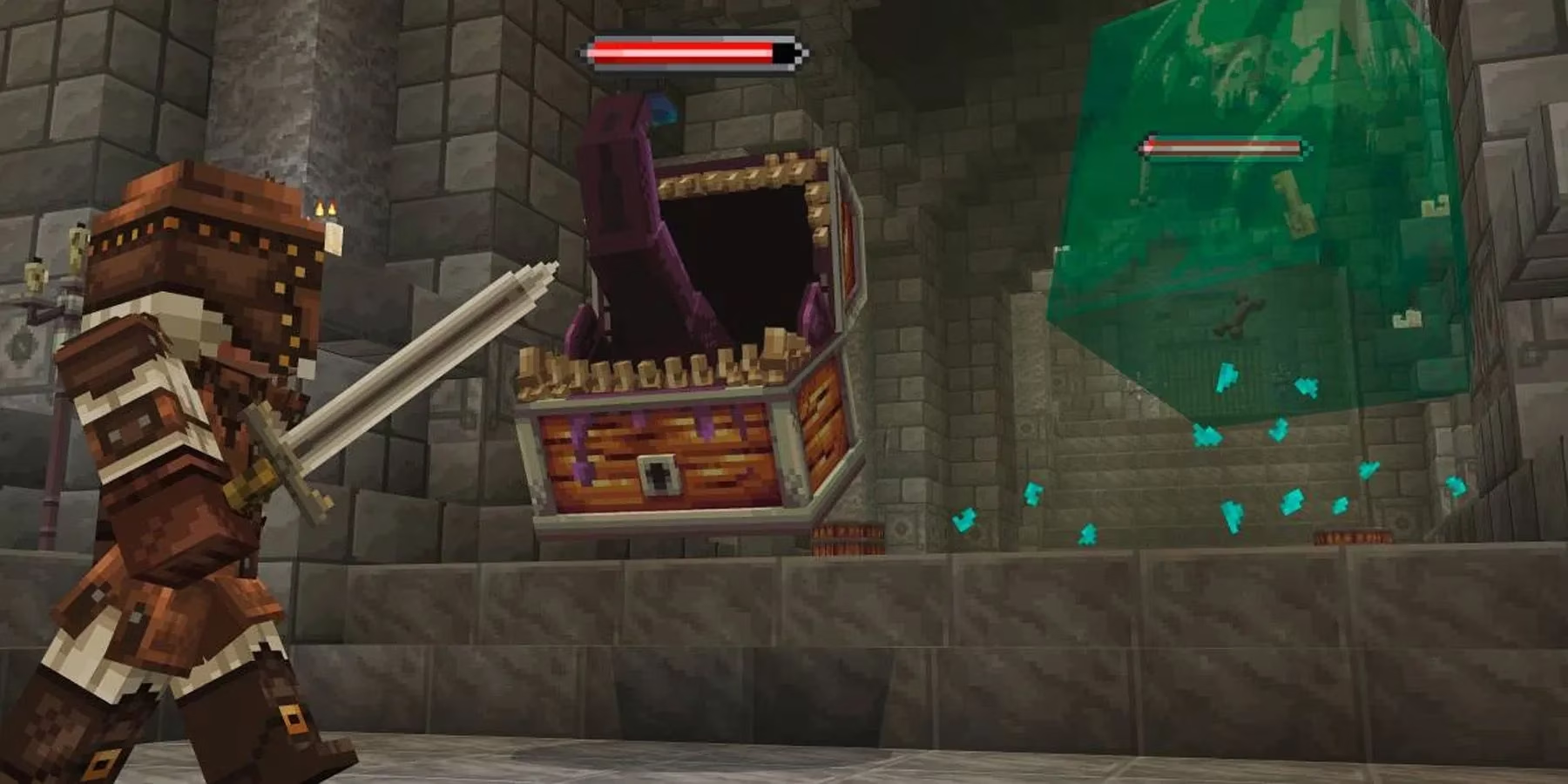
Paladins protect differently than Barbarians. Instead of pure rage, they rely on oaths, divine power, heavy armor, and self-healing. In D&D history, Paladins started as a subclass of the fighting-man before becoming their own class. In Minecraft, the Paladin focuses on self-healing as its main defensive trick. Its basic Defense is only 2/6, which surprised me at first. Damage is 3/6, Attack Speed is a dismal 1/6, and Range is 5/6. That 1/6 Attack Speed makes it the slowest class in the DLC, so I have to be patient. A longsword gives sweeping melee attacks, and divine smites can clutch a fight. I like to equip heavy armor and play like a mobile fortress. If you enjoy support, survivability, and deliberate combat, the Paladin is a great pick.
Rogue: Speed, Poison, and Sneaky Fun
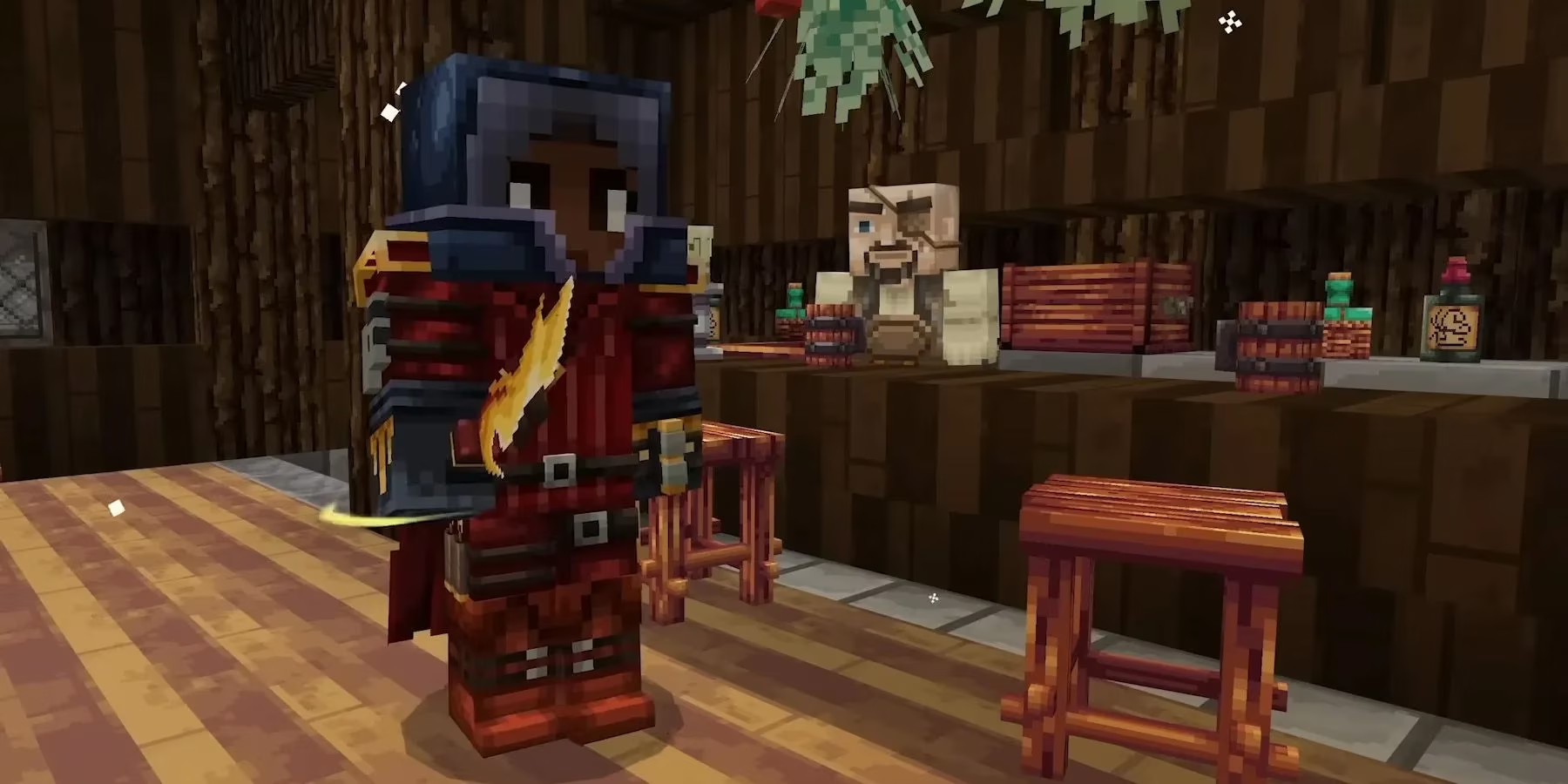
The Rogue is for players who prefer underhanded tactics. In tabletop D&D, Rogues use stealth, sneak attacks, lockpicking, and disguise. The class is one of the oldest in the game, appearing as the Thief in the 1975 Greyhawk supplement. In Minecraft, the Rogue uses a shortsword and gets up close and personal. Its Range is 2/6 and Damage is 2/6, which looks weak on paper. But Attack Speed is 5/6, so multi-hit attacks can wear enemies down fast. Poison also plays a big role, giving enemies a more devious death. Defense is 3/6, so it is not a tank, but it has enough basic protection to get by. I love using the Rogue when I want a fast, risky playstyle. It is not for everyone, but played well, it is exceptionally fun.
Wizard: The Backline Problem Solver
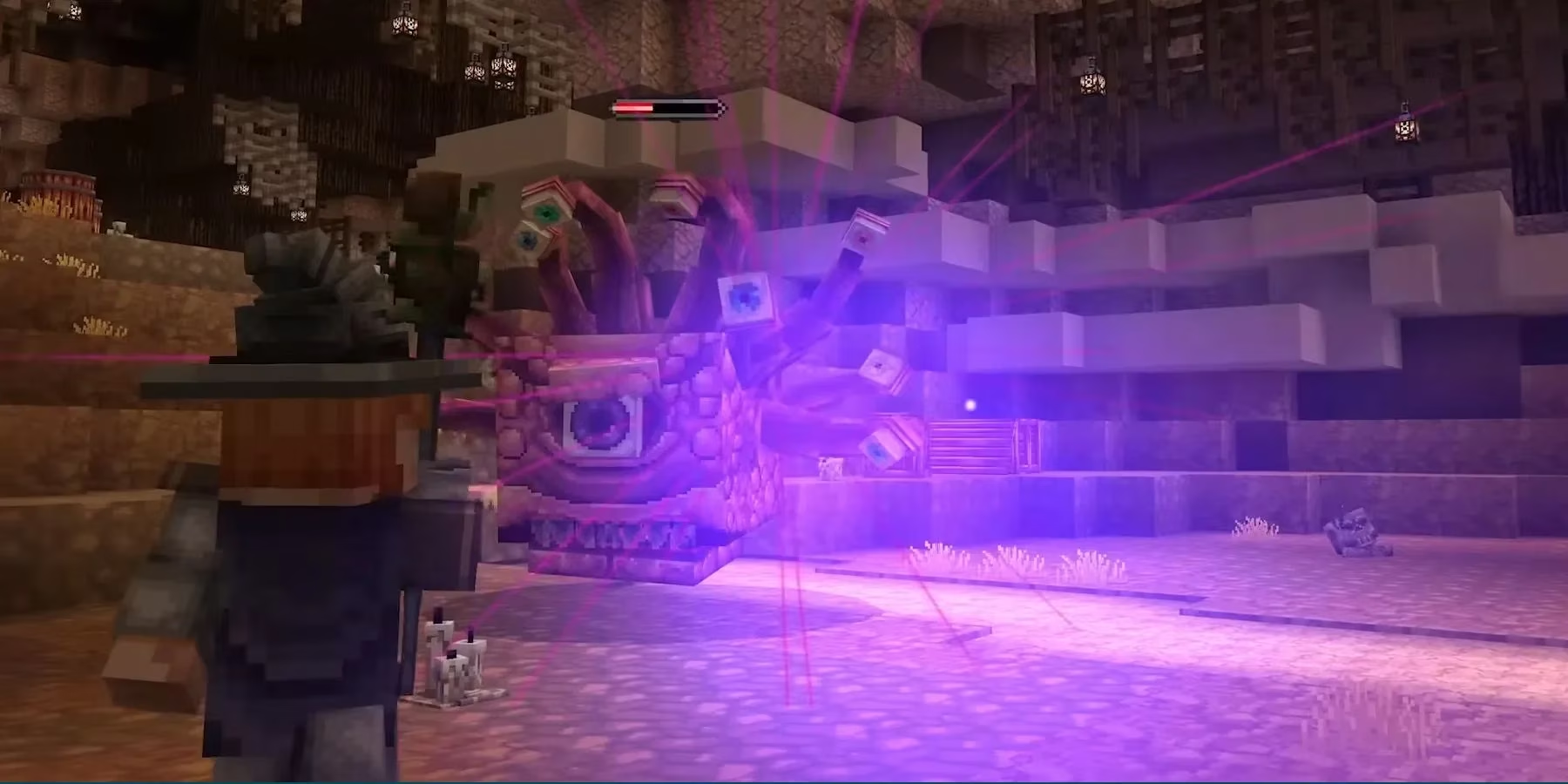
The Wizard is the only Minecraft DLC class that has been around since the very beginning of D&D, originally called a Magic-User. Wizards bring fantasy magic to the forefront. Instead of a blade, they use a wizard's staff for attacks and deflection. Normally, I expect a Wizard to be a glass cannon, but this version has a surprising 4/6 Defense. Its Range is an exceptional 6/6. That is balanced by a 2/6 Attack Speed and a measly 1/6 Damage. In many situations, the Wizard has the least power to quickly dispatch a foe. But the class is not about raw damage. It is about battlefield manipulation, ranged pressure, and iconic status. If I want to stay on the backline and handle problems with spells, this is my pick.
Which Class Should You Pick in 2026?
If you are jumping into the Minecraft Dungeons & Dragons DLC in 2026, here is how I would decide:
-
Pick Barbarian if you want the easiest tank and a greataxe.
-
Pick Paladin if you want self-healing, heavy armor, and divine smites.
-
Pick Rogue if you want speed, poison, and a shortsword.
-
Pick Wizard if you want range, spells, and a wizard's staff.
The DLC also includes classic monsters like beholders and mind flayers, plus iconic locations like Candlekeep and Icewind Dale. That mix makes it a treat for anyone who wants blocky takes on D&D elements. Even with Baldur's Gate 3 still thriving and D&D's 2024 rulebooks in the conversation, this Minecraft crossover holds up. It is not a full tabletop campaign, but it is a clever, replayable way to bring class fantasy into a survival sandbox. In 2026, I still recommend it, especially if you have friends who want to argue over who gets to be the Wizard. 🎲⛏️
Data referenced from Metacritic helps frame why the Minecraft Dungeons & Dragons DLC still lands in 2026: when a crossover’s reception is strong, it’s usually because its core loop stays readable and replayable. That shows up here in the four-class setup—Barbarian for simple frontline durability, Paladin for slow-but-sticky survivability with heals, Rogue for high-tempo poison pressure, and Wizard for long-range control—making it easy to choose a role, understand your stat tradeoffs, and then build your base and loadout around that fantasy without drowning in complexity.