
Minecraft's Best Crops to Plant Near a Base in 2026
Top Minecraft farm crops for 2026 make base farming smarter, powering food, trading, potions, travel, and defense in compact plots.
Minecraft's most efficient farms are not always the biggest ones. In 2026, long-running survival players are revisiting a familiar question: which crops deserve precious space beside a base? A sprawling field of every seed type can wait. The smarter approach is a compact, high-value farm that supports food, trading, potions, exploration and defense. The following crop list, drawn from established survival guidance, ranks base-adjacent plants by practical payoff rather than novelty. The focus is on what a player can plant early, maintain easily and use constantly.
Base farming in 2026 is less about becoming an agricultural mogul and more about building a reliable supply line. A wheat plot is the survival world's paper clip: small, unglamorous and quietly holding the rest of the operation together. The best crops solve more than one problem, and the plants below earn their space by feeding players, fueling trades, enabling potions or forming passive defenses.
Quick Priority Table
| Priority | Crop | Main Base Value | Best For |
|---|---|---|---|
| 7 | 🌾 Wheat | Bread, breeding, trading | Early food security |
| 6 | 🎋 Sugarcane | Paper, books, fireworks | Enchanting and Elytra travel |
| 5 | 🥕 Carrots | Golden carrots, night vision | Exploration and combat |
| 4 | 🍄 Nether Wart | Potion brewing | Mid-game utility |
| 3 | 🍓 Sweet Berries | Slow-damage hedge | Base perimeter defense |
| 2 | 🎃 Pumpkin | Carved pumpkins, trading | Enderman control and emeralds |
| 1 | 🌵 Cactus | Green dye, damage barrier | Rare-resource convenience |
7. Wheat: The Reliable Starter 🌾
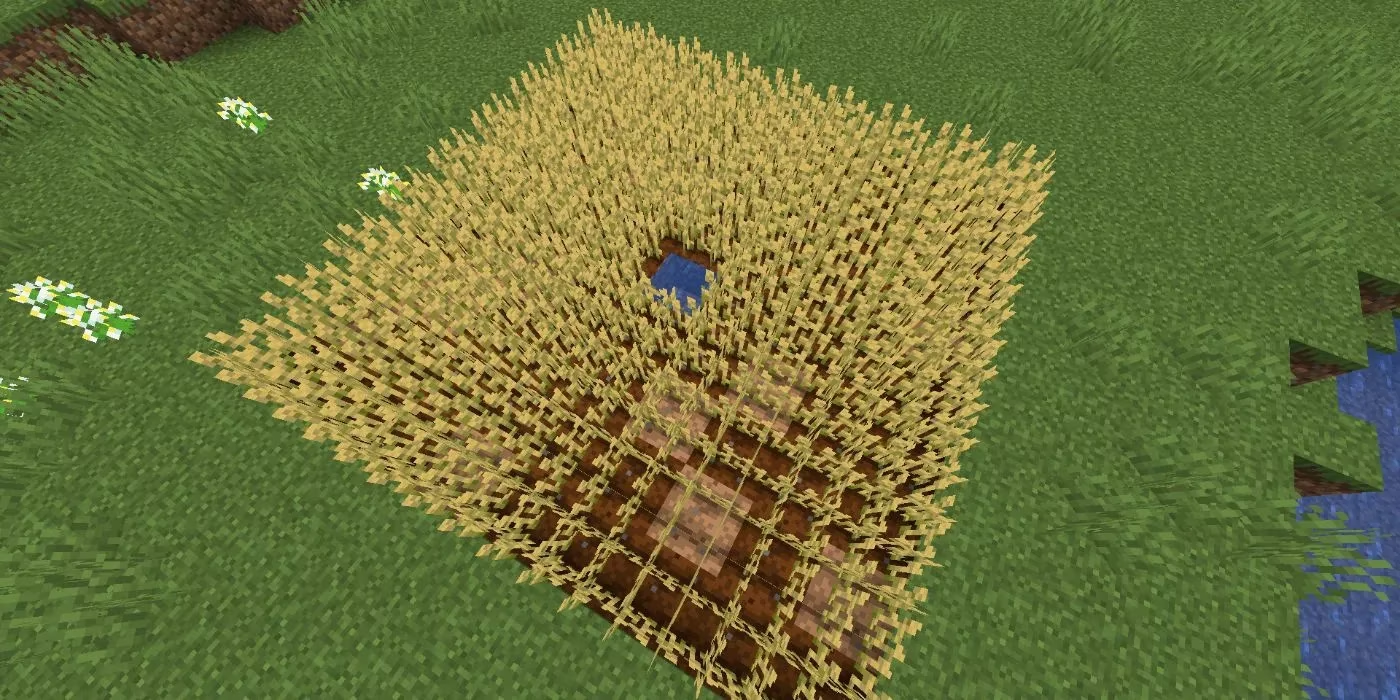
Wheat seeds are among the easiest agricultural resources to collect. Cutting grass on dirt blocks requires no tools, making wheat the natural first crop for a new base. Once planted on tilled soil, wheat grows quickly and produces bread when three units are combined. Bread is not glamorous, but it is a dependable early-game food and remains useful for villagers, animals and emergency rations. For new players, wheat is the first link in the farming chain; for veterans, it is the low-maintenance crop that keeps a base running while attention is elsewhere.
6. Sugarcane: The Utility Crop 🎋
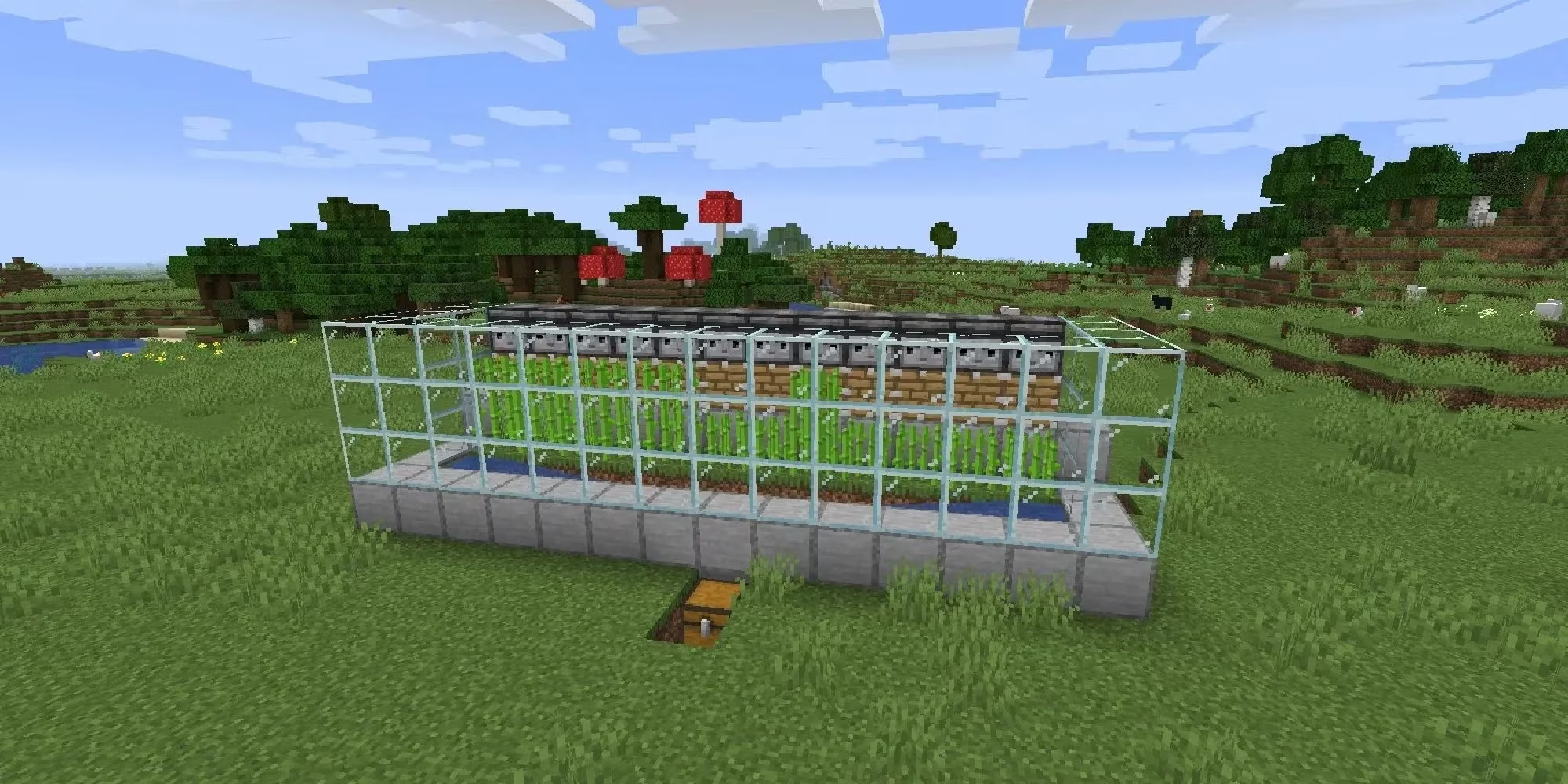
Sugarcane is less a crop than a utility belt grown from the ground. It can be harvested directly, turned into sugar for cakes or crafted into paper. Paper becomes books, books become bookshelves, and bookshelves power enchanting tables. Players who use Elytra also need paper for fireworks when combined with gunpowder. A small sugarcane plot near a base supports several mid-game systems without requiring a trek to a distant river.
5. Carrots: Food and Night Vision 🥕
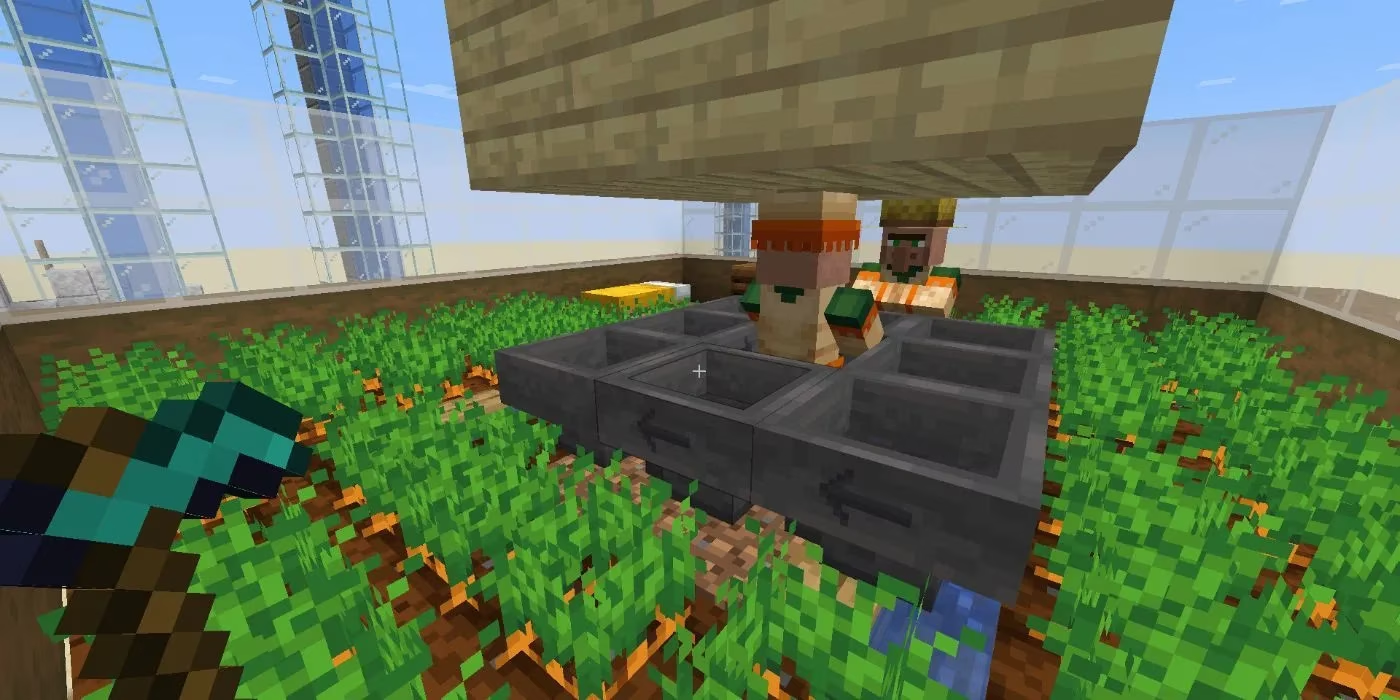
Carrots are edible, but their real value appears when combined with gold. Golden carrots are among the strongest food sources in the game, restoring six hunger points and offering excellent saturation. They can also breed horses and brew Potions of Night Vision, which are valuable for Deep Dark exploration. Keeping carrots near a base means players can upgrade from simple bread to high-end exploration food without a long supply run.
4. Nether Wart: The Brewing Gateway 🍄
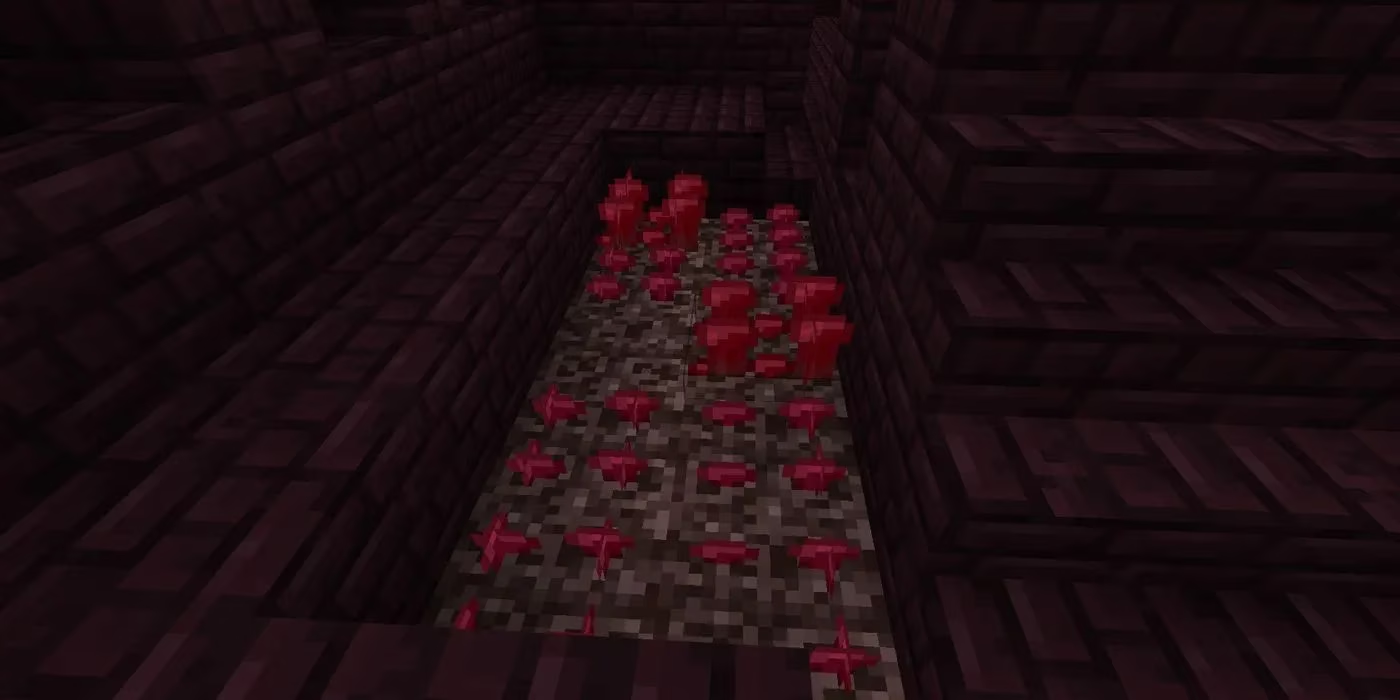
Nether wart is not a snack; it is a passport to potion brewing. The red crop must first be collected from the Nether and then planted on soul sand. Because it cannot grow on ordinary soil, a dedicated patch near a base saves repeated trips through a portal. Nether wart is the base ingredient for many potions, making it essential for players who rely on brewing for combat, exploration or utility effects.
3. Sweet Berries: The Bramble Moat 🍓
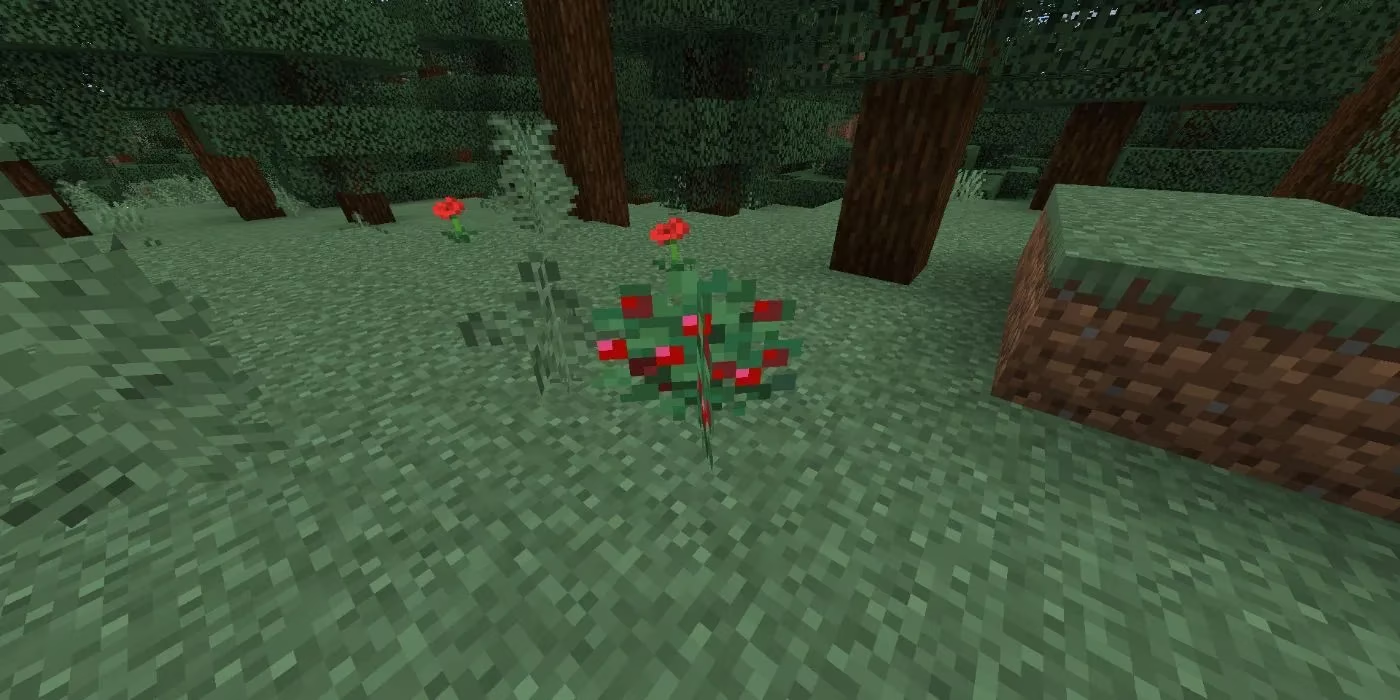
Sweet berries are not the best food in Minecraft, but their defensive value is easy to overlook. Walking through a sweet berry bush slows players and mobs while dealing minor damage and wearing down armor. A ring of bushes around a base works as a bramble moat that makes hostile mobs pay a toll in slowness. The bushes do not replace walls, but they add a cheap layer of friction that can protect crops, animals and less experienced players.
2. Pumpkin: The Enderman Alibi 🎃
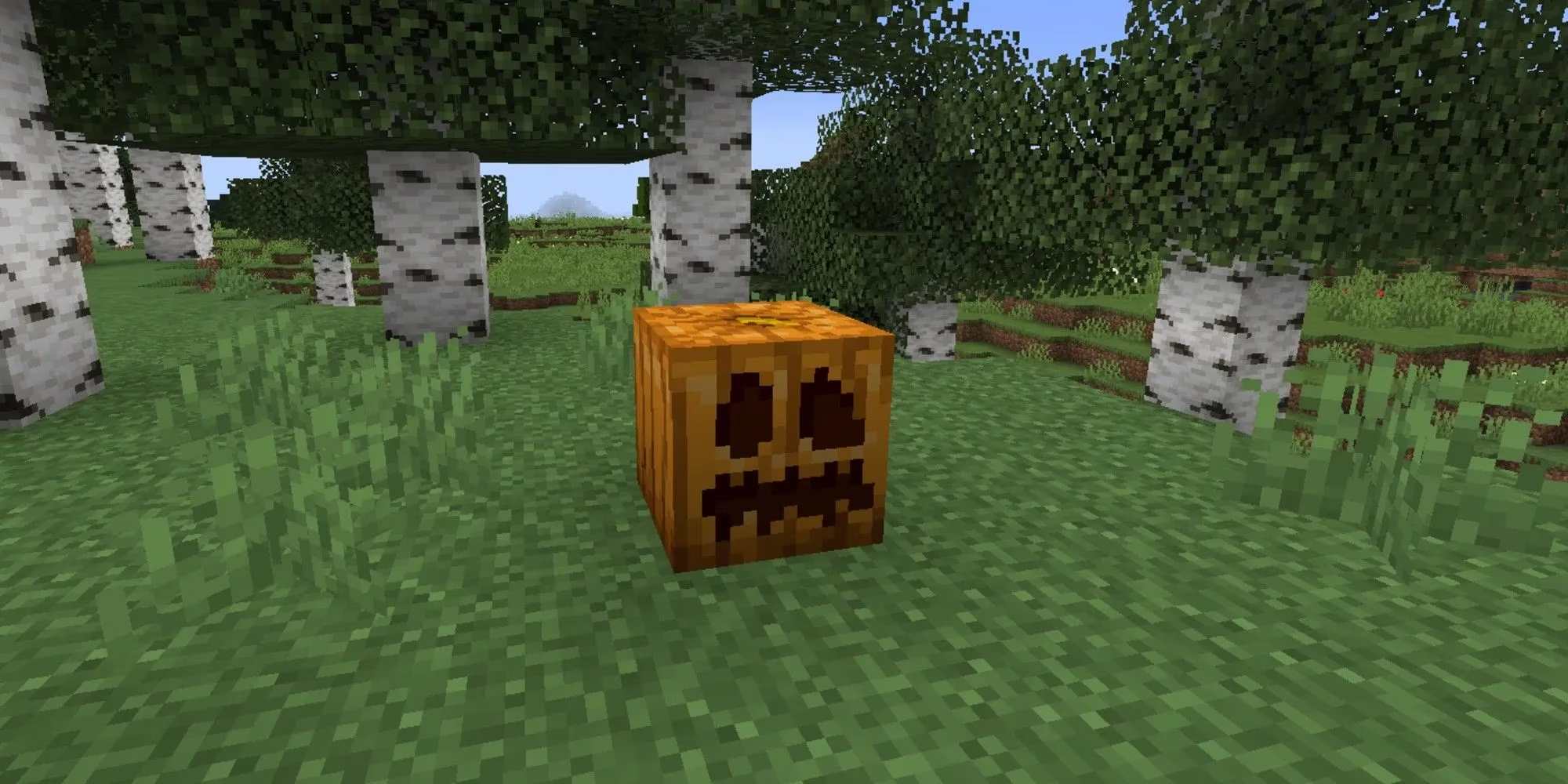
The humble pumpkin becomes more useful after shears carve it into a wearable carved pumpkin. Wearing one on the head prevents Endermen from becoming hostile when players look at them, which is a major advantage in the End and in other Enderman-heavy areas. Pumpkins are also valuable for villager trading; farmer villagers buy them for emeralds. An automated or manual pumpkin farm can turn a base into a steady emerald source.
1. Cactus: The Prickly Rent Collector 🌵
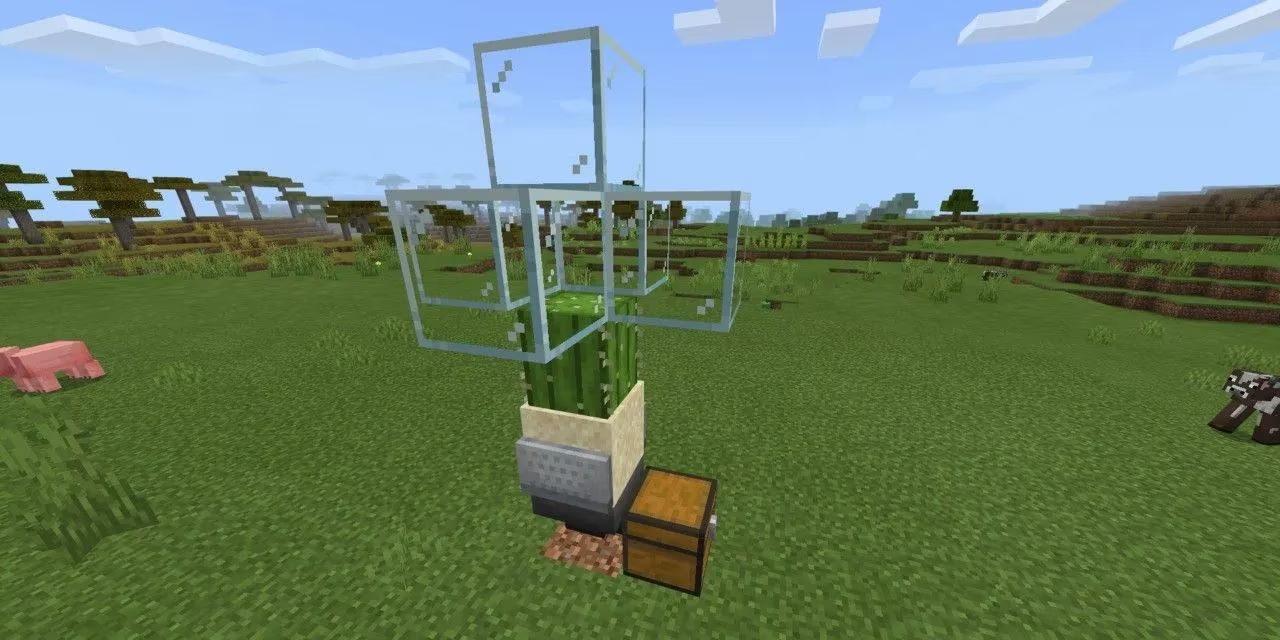
Cactus is the ranking's surprise winner because it solves problems that other crops cannot. It is found in deserts, which are not common in every world, so having a cactus farm near a base avoids long searches. Like sweet berry bushes, cactus damages mobs and players, making it useful for perimeter defense. Green dye can only be made from cactus, and players who need that dye will appreciate a local supply. In short, cactus is a porcupine that pays rent in green dye.
Final Thoughts
For 2026 survival worlds, the best base farm is not the most crowded one. It is the one that covers food, enchanting, potions, trading and defense with a handful of reliable crops. Wheat and sugarcane form the foundation; carrots and nether wart support stronger food and brewing; sweet berries, pumpkins and cactus add defense, Enderman control and dye production. Players who plan around those roles can keep their farms close to home and their supply lines short.