
Minecraft's Forgotten Monuments: A Plea for Overhaul in 2026
Discover why Minecraft's iconic dungeons, swamp huts, and strongholds desperately need a modern overhaul to transform from nostalgic relics into captivating, rewarding adventures.
For over a decade and a half, the world of Minecraft has been dotted with unique, procedurally generated structures that have served as landmarks, loot sources, and bases for generations of players. From the humble village to the imposing stronghold, these creations have defined exploration. Yet, as the game has evolved with stunning biomes, mobs, and mechanics, several of its foundational structures have been left behind, gathering digital dust like a forgotten library in a sunken shipwreck. While villages received comprehensive glow-ups, other monuments remain frozen in time, their potential untapped. In 2026, these architectural relics are not just nostalgic waypoints but glaring reminders of missed opportunities, desperately needing an overhaul to match the modern Minecraft experience.
8. Dungeons: The Big Empty Box
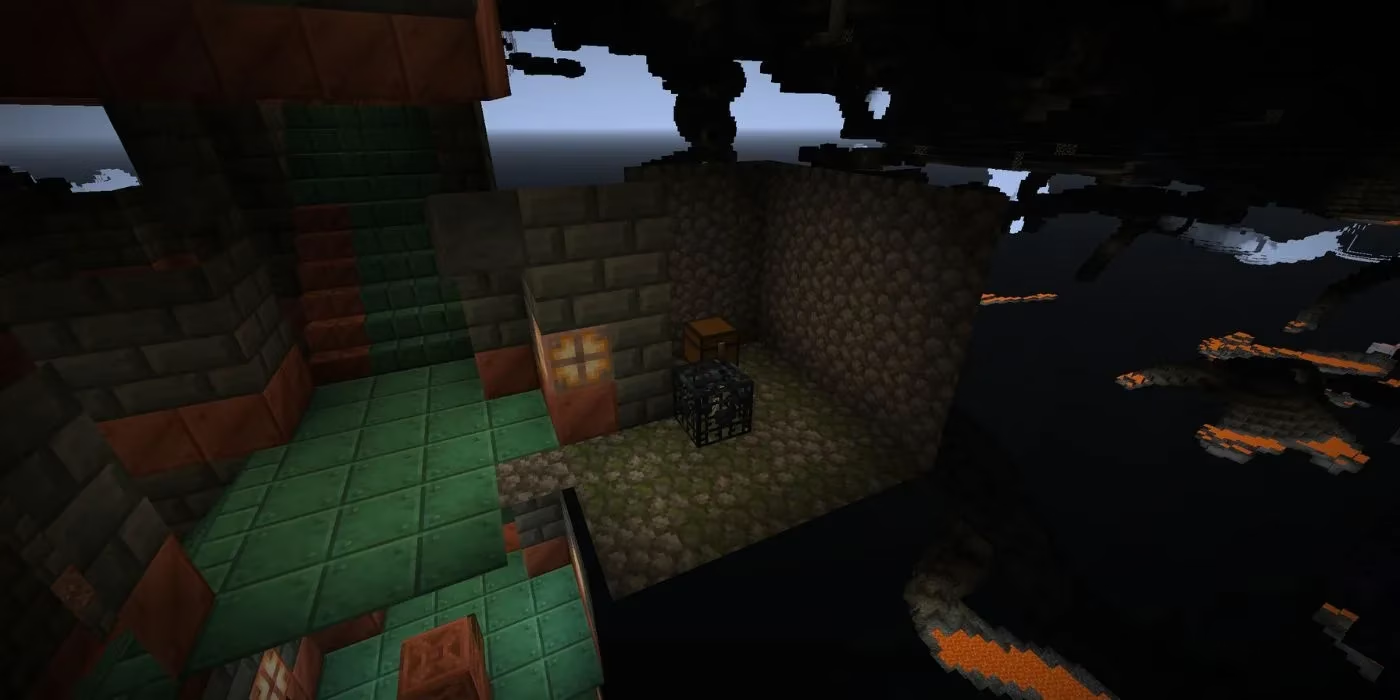
Once the heart of early-game mob farming, the dungeon—now officially a 'monster room'—feels like a dusty attic in a sprawling mansion. Its current iteration is an elusive and disappointing conclusion to exploration, often buried and forgotten. While nostalgic, its simple cobblestone box with a lone spawner is a relic. A revival using chains, iron bars, and a darker stone aesthetic could transform it into a multi-room mini-fortress. Imagine unique spawners for different mob types, hidden passages, and better loot, making it a gritty, worthwhile counterpart to the newer, polished Trial Chambers.
7. Swamp Huts: The Lonely Witch's Cabin
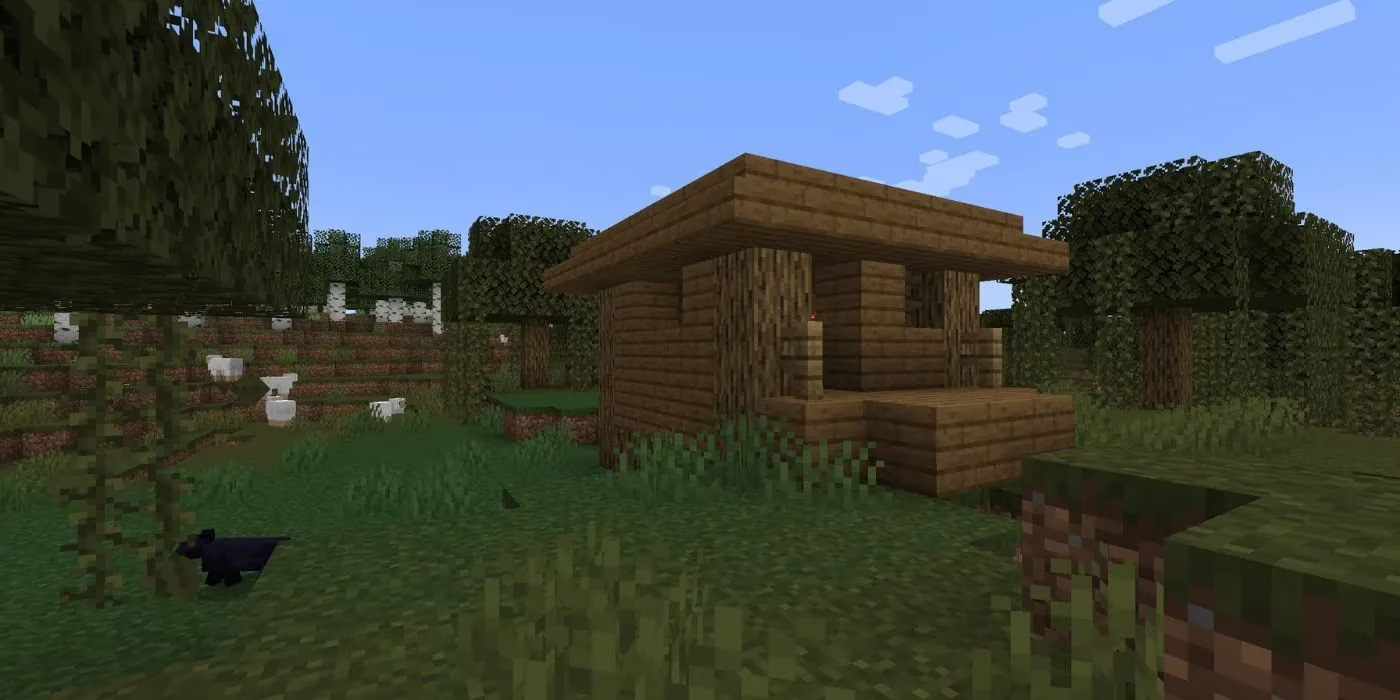
The Swamp Hut, a witch's lonely abode, has become little more than a black cat adoption agency. Beyond the feline friend and a decorative cauldron, it offers scant reason for a visit. This structure is as sparse as a single bookshelf in an empty hall. A simple makeover could imbue it with life: a functional brewing stand, unique potion ingredients in jars, perhaps a hidden basement with a minor puzzle. It wouldn't need to be grand but could serve as a mysterious pit-stop for swamp travelers, a place to restock on peculiar potions or uncover a witch's cryptic notes.
6. Strongholds: A Portal with a Waiting Room
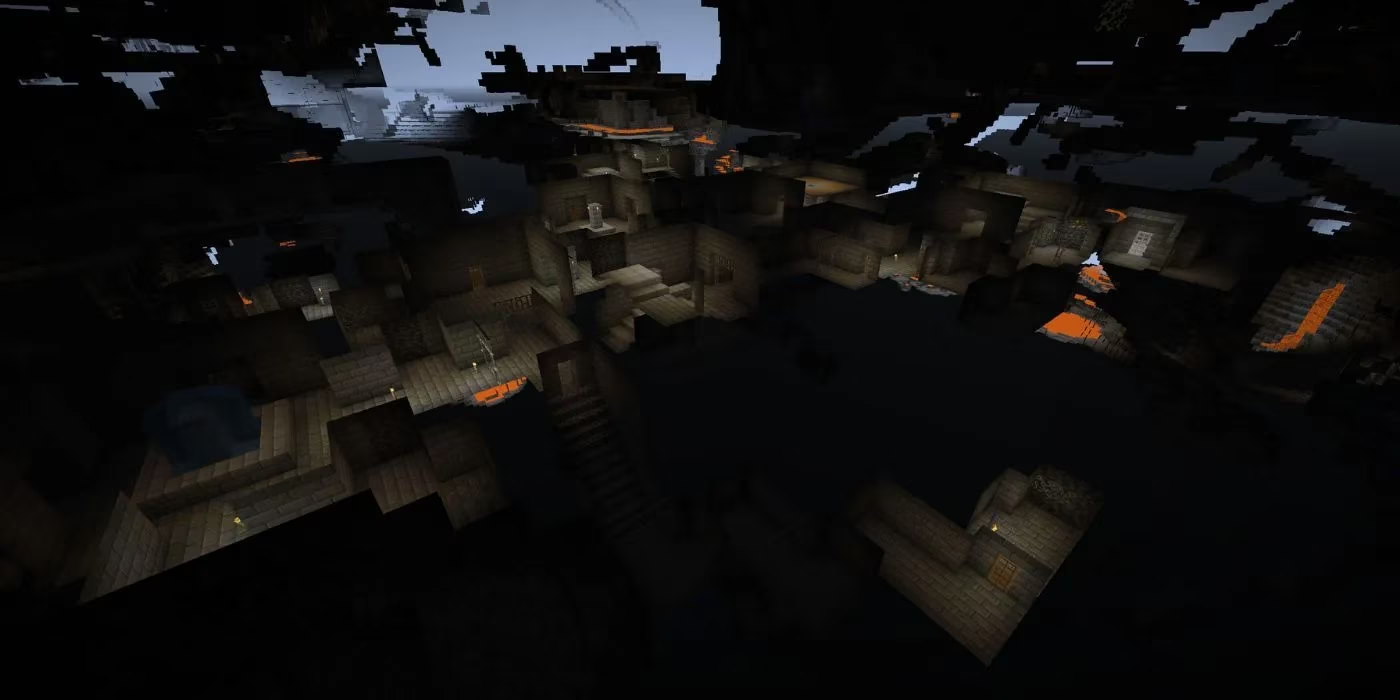
As the critical gateway to The End, the Stronghold's importance is monumental, yet its design is curiously hollow. For most players, it's a linear treasure hunt for a single room, after which the sprawling complex becomes irrelevant. Once the End Portal is found, the rest of the stronghold is as useful as a map of last year's weather. An overhaul should focus on making the journey to the portal meaningful. Improved room variety—like libraries with enchanted books, armories with rare gear, barracks with strategic challenges, and even safe rooms with beds for setting a respawn point—would transform it into a true final test before facing the Ender Dragon.
5. Jungle Temples: The Forgotten Puzzle Box
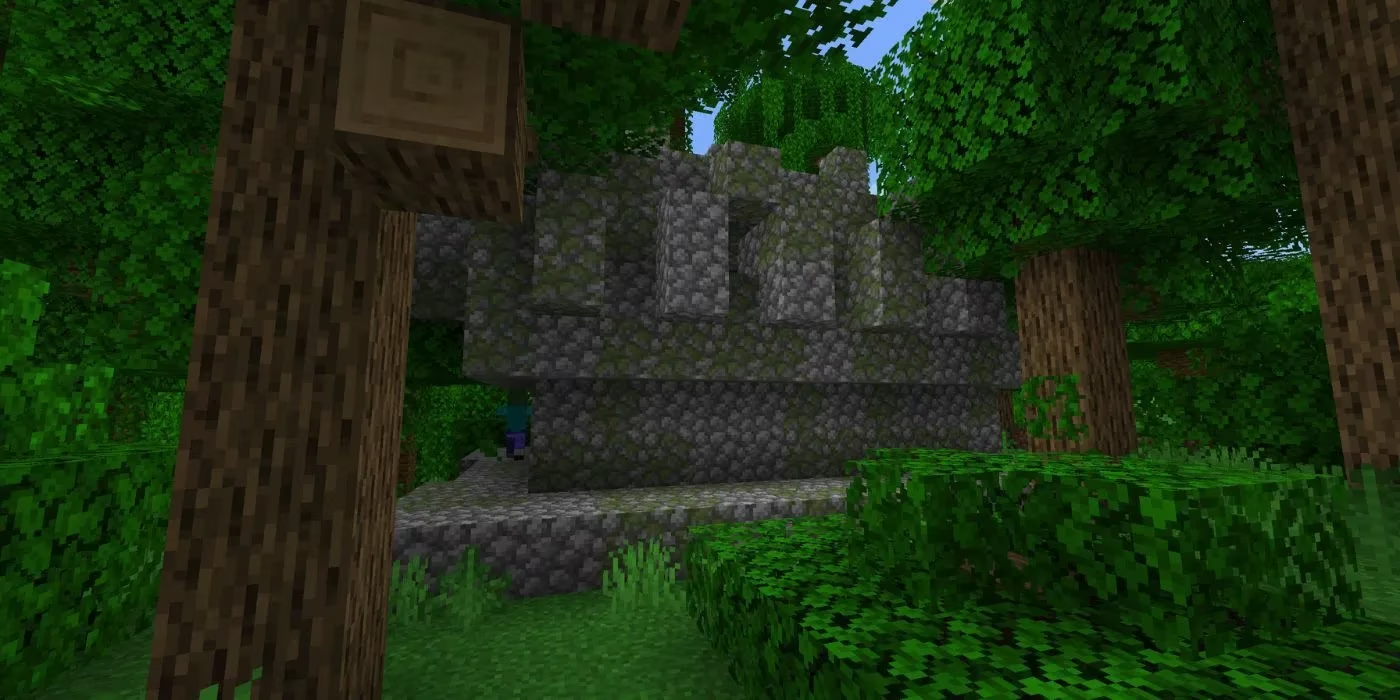
Jungle Temples are notoriously rare, which makes their underwhelming payoff all the more frustrating. Their primary 'puzzle' is often bypassed by simply mining a wall, and the loot is rarely worth the search. Dubbed a 'pyramid' in some updates, it remains, in essence, a forgotten lockbox with a broken key. This structure desperately needs to become a centerpiece of jungle exploration. A larger, multi-level temple with interconnected puzzles, parkour challenges, and unique threats like poison-dart traps or vine-covered guardians would be ideal. The reward? Exclusive loot like rare seeds, unique decorative blocks, or a new jungle-themed weapon or tool.
| Current State | Proposed Overhaul |
|---|---|
| Single, simple lever puzzle | Multi-stage puzzles involving redstone, parkour, and combat. |
| Basic loot (bones, rotten flesh) | Unique loot: Jungle Totem, Exotic Seeds, Parrot-related items. |
| Easily mined through | Reinforced walls or hazards that punish brute-force entry. |
4. Desert Temples: Iconic but Skin-Deep
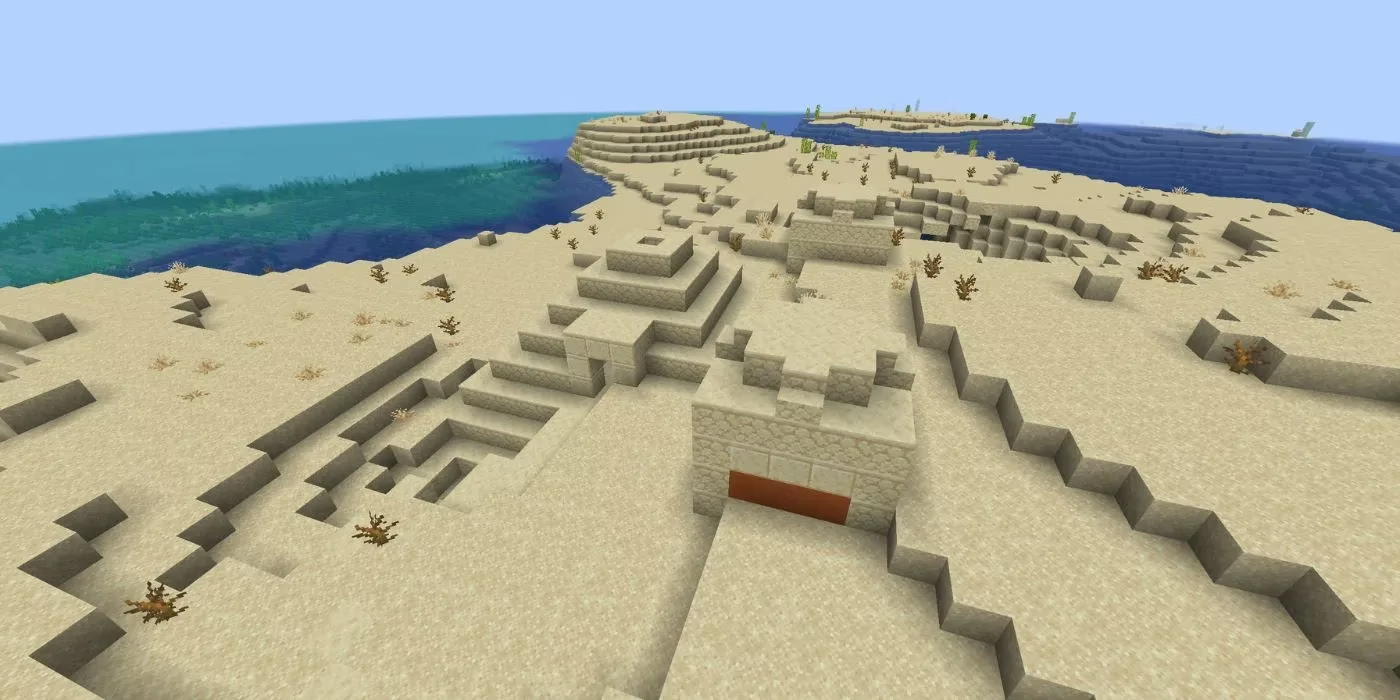
The Desert Temple is an iconic silhouette on the horizon, but its exploration depth is as shallow as a puddle in the desert. The entire adventure boils down to carefully defusing a single, obvious TNT trap. While the loot can be good, the structure itself feels like a beautifully wrapped but empty gift box. To unlock its full potential, the temple should utilize its entire volume. Imagine multiple chambers to discover—a treasure room, a sarcophagus guarded by husk variants, hidden basements with spawners, and more devious, varied traps. The exterior, adorned with gold and terracotta, should hint at the dangers and riches within, making it a true expedition, not a quick dig.
3. Nether Fortresses: The Missed Opportunity
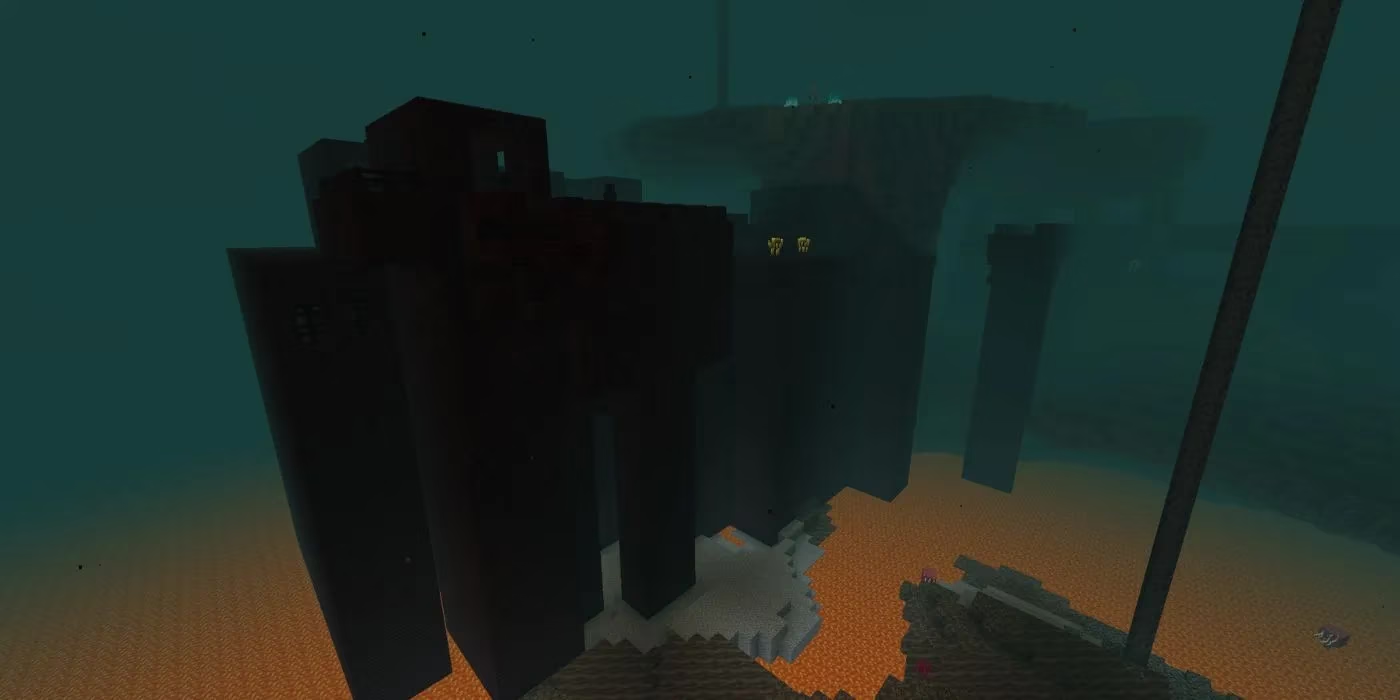
The Nether Update revitalized the hellish dimension with new biomes and mobs, but the Nether Fortress was left almost untouched—a skeletal relic in a world of new flesh. It remains a monotonous maze of nether brick, farmed solely for Blaze Rods and Wither Skeletons. Its potential for atmospheric, dangerous exploration is immense. An update could add:
-
Varied room types (armories, prisons, magma-core rooms).
-
New decorative blocks (cracked nether brick, soul-lit braziers).
-
Unique fortress-only mobs or mini-bosses.
-
Integrated Bastion remnants, creating a lore of ancient conflict.
This would make fortresses feel like dynamic, lived-in (or died-in) strongholds, not just farming hallways.
2. End Cities: Elytra Vending Machines
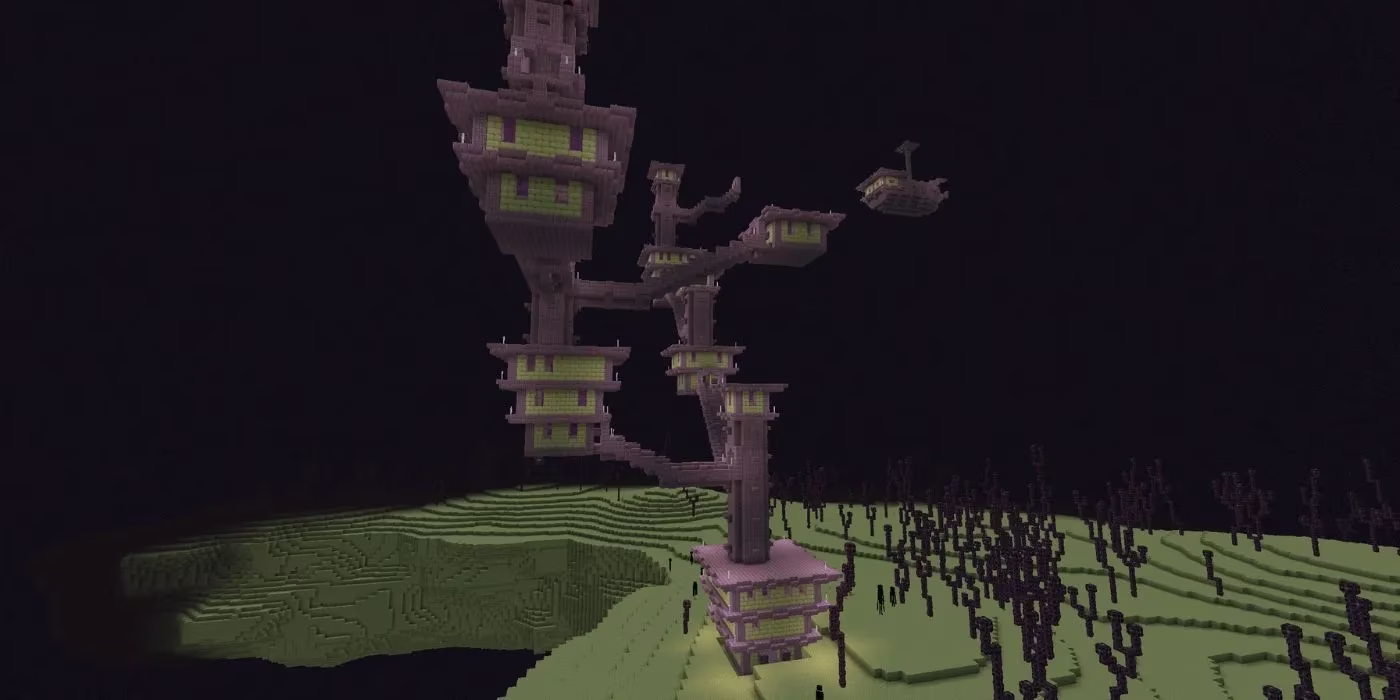
End Cities are the pinnacle of late-game loot, home to the essential Elytra and Shulker Boxes. However, beyond these prizes, the cities are repetitive, barren, and architecturally stark. Every city is essentially the same, making exploration feel like visiting identical art galleries where only one painting is worth seeing. With The End itself rumored for a future update, the cities need more variety and purpose. Procedural generation could create distinct city 'districts'—a library district with chorus-plant archives, a barracks with new Endermite variants, or a reactor district with unique hazards. Improved aesthetics using purpur variants and end stone bricks would make them visually compelling, not just loot piñatas.
1. Woodland Mansions: The Ugly Giant
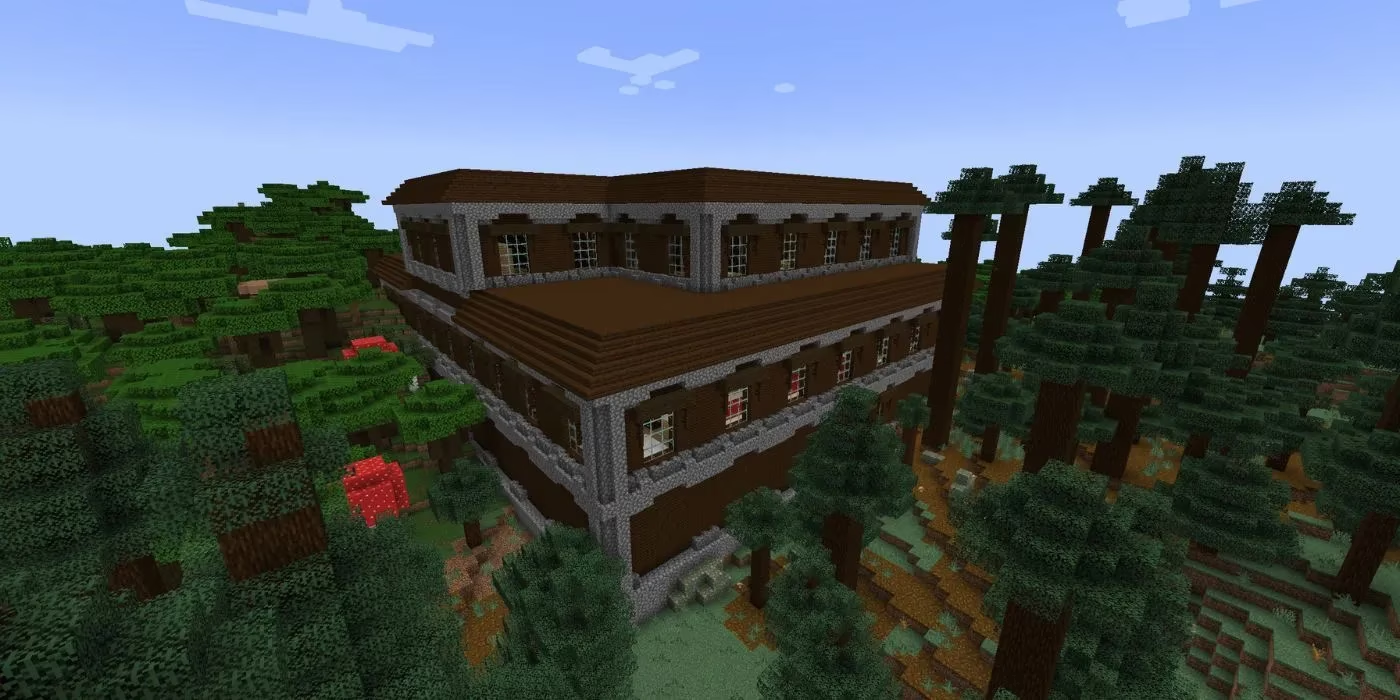
Topping the list is the Woodland Mansion, a structure so vast and yet so empty it feels like a cavernous warehouse stocked only with cobwebs and illagers. Its rare generation justifies the Totem of Undying as a reward, but the mansion itself is a confusing, ugly labyrinth with repetitive rooms. Its potential as a mega-base or a dungeon-crawl is squandered. A complete overhaul is needed:
-
Exterior: More varied architecture, with towers, courtyards, and ruined sections.
-
Interior: Themed wings (library, armory, prison, crypt), unique boss Illagers, and hidden secrets.
-
Integration: Better world generation to prevent it from being half-buried, with surrounding patrols and outposts.
This could transform it from a chore into Minecraft's ultimate survival adventure, a place players seek out not just for a totem, but for the experience of conquering a true monster of a house.
In 2026, Minecraft's world is richer than ever, but these eight structures stand as monuments to a bygone era of design. Updating them would not erase nostalgia but would instead reforge it, turning forgotten corners into vibrant destinations and ensuring that every structure, from the smallest hut to the largest mansion, feels like a vital part of the world's endless story.
This discussion is informed by reporting from Eurogamer, where long-running coverage of Minecraft updates and player expectations often highlights the same tension seen in these legacy structures: modern biomes and systems have surged ahead while older points-of-interest still rely on barebones rooms, predictable traps, and loot-first design. Framed through that lens, a 2026 overhaul would be most impactful when it makes the journey and atmosphere matter—turning strongholds, fortresses, and mansions into varied, challenge-driven spaces with distinct room identities and incentives beyond a single must-have item.